
 My Account
Patrol Bike Use Cases
9 Effective Patrol Bike Strategies for Traffic Enforcement
Discover how patrol bikes revolutionize traffic enforcement with 9 effective strategies. From community engagement to tech integration, learn how these approaches enhance safety and responsiveness in urban environments.
Mar 02, 2026
5 min read
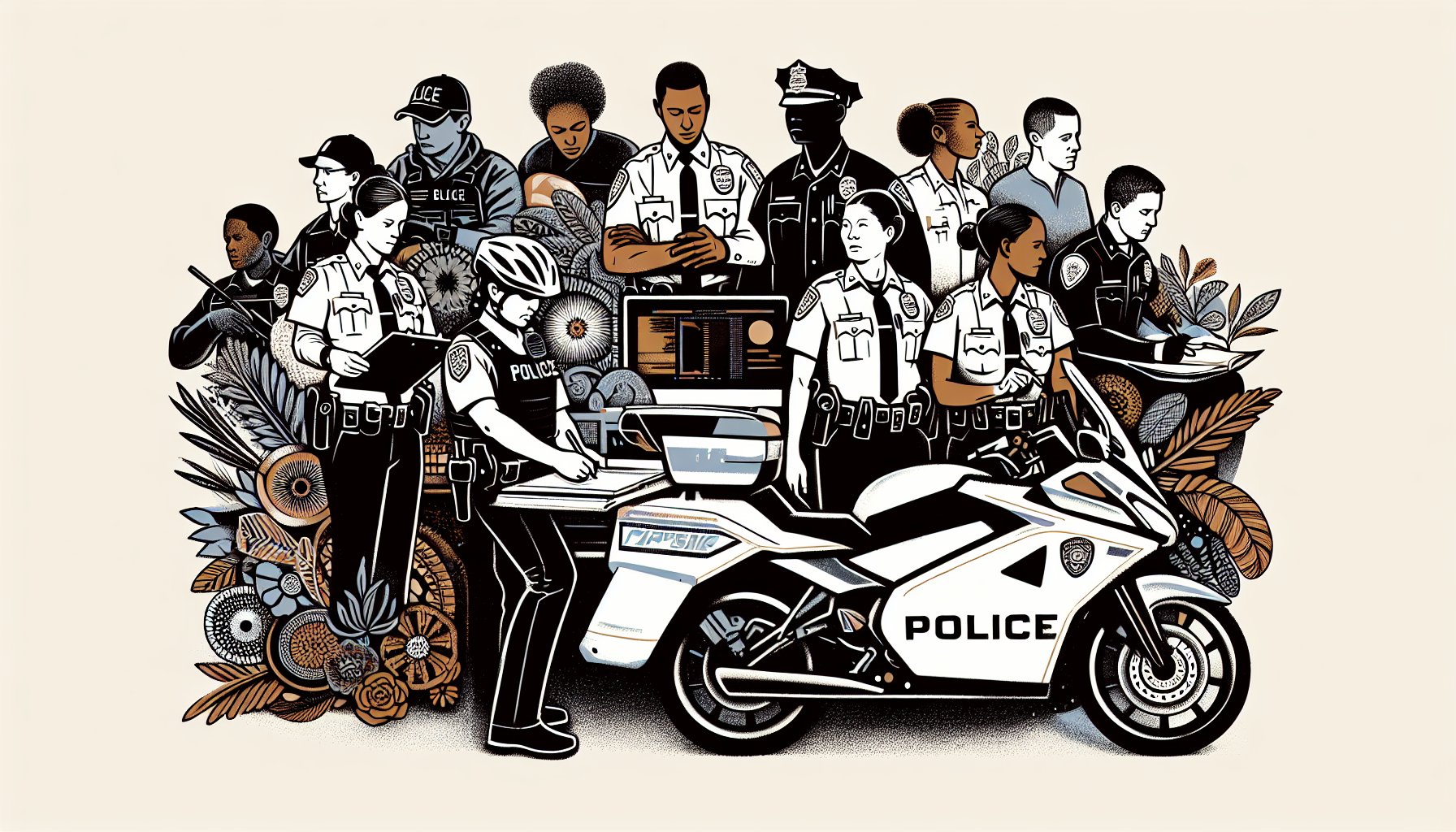
9 Effective Patrol Bike Strategies for Traffic Enforcement
In an era where city streets are more congested than a Black Friday sale, it’s time to rethink traffic enforcement. Enter: the patrol bike, a two-wheeled revolution in law enforcement that’s more than just eco-friendly; it’s effective. Let’s explore nine strategies that make patrol bikes a game-changer for traffic enforcement.
1. Pedals to the Metal: The Case for Patrol Bikes in Traffic Enforcement
Picture this: urban landscapes so packed that even a sneeze can cause a traffic jam. Patrol bikes come to the rescue, offering both agility and community connection. These bikes align with the Eagle Pass Police Department’s mission of integrity and professionalism by enhancing law enforcement's reach and responsiveness. Officer Jessica Holloway's afternoon on a bike turned a potential road hazard into a teachable moment for teens on scooters. Forget squad cars; bikes are the new bridge to community engagement, offering a gentler, yet effective, hand at the wheel.
With the Department General Orders (DGOs) emphasizing consistent law enforcement and community engagement, patrol bikes fit perfectly into the mix. Navigating city streets and alleys, they offer quick educational interventions at the sight of unsafe behavior, a win for safety and the environment. Shifting from four wheels to two doesn’t just save gas; it turns law enforcement into community stewards.
2. Riding With Purpose
Without clear goals, officers can end up like GPS-less tourists lost in a city. The Eagle Pass Police Department is all about creating a secure environment. When patrol officers ride with this purpose, they become active participants in community safety. With clear objectives, like reducing traffic incidents, officers can tailor their tactics to resonate with community needs.
Proactive policing isn’t a buzzword here; it’s a practice. If the goal is to improve bicycle safety, officers might focus on accident-prone intersections. Their presence isn't just about law enforcement; it’s about strategic outreach that leads to informed road behavior.
3. The Agile Arsenal: Choosing the Right Bike for the Job
Let’s talk bikes. In traffic enforcement, choosing the right bike is akin to choosing the right tool for surgery, crucial. The Eagle Pass Police Department knows that a well-chosen bike enhances both mobility and community interaction. Bikes with robust frames and versatile tires conquer diverse terrains, be it residential or bustling downtown.
Volcanic Bikes, engineered for law enforcement, offer features like enhanced braking systems and lightweight materials. They’re not just bikes; they’re a part of the department’s identity, signifying a shared commitment to public safety.
4. Mapping the Beat
Strategic deployment isn't just geographical; it's a calculated dance between community needs and enforcement goals. With DGOs guiding the way, mapping patrol routes aligns with community demands. Picture an officer cruising downtown on a Friday night, blending law enforcement with community interaction. They aren’t just enforcing laws; they’re woven into the community’s fabric, as approachable as they are effective.
By integrating local traffic data and community feedback, the department can strategically position officers where they’re needed most. Regular adjustments in routes can keep potential violators on their toes, all while fostering community ownership in traffic safety efforts.
5. The Human Element: Training Officers for Effective Engagement
Traffic enforcement is a human-centric affair. Training officers to engage effectively on patrol bikes goes beyond riding skills; it encompasses empathy and communication. Emotional intelligence in officers can transform tense situations into constructive dialogues.
Community feedback is the secret ingredient, shaping a training program that respects diverse community values. Role-playing real-world scenarios helps officers adapt their responses, improving decision-making in the field. When officers see themselves as community partners, it elevates interactions and builds a safer, more harmonious environment.
6. Safety First: Implementing Protective Measures for Patrol Officers
In the unpredictable world of traffic enforcement, officer safety isn't just a manual entry; it’s the mantra. Following the DGOs, a robust safety framework uses strategic positioning during traffic stops and high-vis gear for visibility.
The culture of safety also includes regular drills and safety workshops, emphasizing that officers are dedicated protectors of public safety. Partnerships with local schools or community events can reinforce this, building trust and demonstrating officers' commitment to safety beyond enforcement.
7. Collaborating for Success: Engaging Community Partnerships
Patrol bikes aren’t just about enforcing laws; they’re about building bridges. Officers at community events or farmers’ markets are more than law enforcers; they’re goodwill ambassadors. By participating in community events, they foster relationships based on trust and transparency.
Formal partnerships with local businesses or civic organizations can lead to shared traffic safety goals. Providing regular feedback channels ensures that police-community collaboration isn’t just theoretical; it’s practical and impactful.
8. The Tech Edge
Incorporating tech into patrol bike strategies is not just beneficial; it’s essential. Imagine officers on a Volcanic Bike, equipped with a tablet for real-time traffic data and alerts. This tech enhances response times and enforces traffic laws effectively.
Data-driven decision-making, aligned with DGOs, ensures that strategies are accountable and transparent. Body-worn cameras further this transparency, building trust and ensuring safety for officers and citizens alike.
9. Riding into the Future: Evaluating and Adapting Strategies
As the world turns, so must our strategies. The Eagle Pass Police Department shows that evaluating and adapting patrol strategies keeps them relevant. With DGOs as their guide, they align enforcement strategies with community needs through ongoing engagement sessions.
Continuous officer training and community forums ensure officers have the latest knowledge and foster strong community relations. The goal is a feedback loop that celebrates victories, learns from mistakes, and continually adapts to keep the community safe and engaged.
TLDR Summary:
Patrol bikes are transforming traffic enforcement with their agility and community connection. Clear objectives, strategic bike choices, and thoughtful route mapping enhance engagement. The focus on officer training and safety, coupled with tech-savvy approaches and community partnerships, underscores responsive and proactive policing. Evaluation and adaptability ensure these strategies remain effective, fostering trust and cohesion between law enforcement and the community.

 11540 W Dodge Rd

Need Help?
Check out these related products that can help:

Other Articles You Will Like
Patrol Bike Use Cases
Patrol Bikes in Action: A Deep Dive into Use Cases for First Responders in 2025
Explore how patrol bikes are revolutionizing first responder engagement in 2025. Discover the innovative features of Volcanic Bikes that enhance community policing and public safety.
Mar 12, 2026
Read More
Patrol Bike Use Cases
12 Creative Patrol Bike Use Cases for Enhanced Crime Prevention
Discover how patrol bikes like the APB 29er E-Bike are transforming crime prevention. Explore 12 innovative use cases that enhance community trust, eco-friendliness, and rapid response in modern policing.
Mar 12, 2026
Read More

Patrol Bike Use Cases
Patrol Bikes vs. Patrol Cars: A Comparative Analysis of Use Cases
Discover the strengths and weaknesses of patrol bikes vs. patrol cars in law enforcement. This comparative analysis reveals how each vehicle impacts community relations, efficiency, and sustainability in policing strategies.
Mar 11, 2026
Read More
Patrol Bike Use Cases
6 Unique Patrol Bike Use Cases in Parks and Recreational Areas
Explore how patrol bikes are transforming parks into vibrant spaces. From enhancing safety and community engagement to promoting conservation, learn about 6 unique use cases that redefine recreational areas.
Mar 11, 2026
Read More
Patrol Bike Use Cases
The Role of Patrol Bikes in Emergency Response: Key Use Cases Explained
Discover how patrol bikes are transforming emergency response in law enforcement. Explore key use cases that highlight their agility, community engagement, and sustainability in policing.
Mar 08, 2026
Read More

Patrol Bike Use Cases
How Do Patrol Bikes Improve Emergency Response Times?
Discover how patrol bikes are revolutionizing emergency response times with agility, community engagement, and advanced technology. Learn how these two-wheeled heroes improve safety and trust in urban environments.
Mar 03, 2026
Read More
Patrol Bike Use Cases
Maximizing Patrol Efficiency: Innovative Use Cases for Bikes in 2025
Discover how Volcanic Bikes is transforming law enforcement in 2025. Explore the innovative use of electric patrol bikes that enhance community engagement, reduce response times, and promote sustainability. Join the future of policing today!
Mar 03, 2026
Read More
Patrol Bike Use Cases
Patrol Bikes and Crime Prevention: Key Use Cases for Safer Communities in 2025
Explore how patrol bikes are revolutionizing crime prevention and community engagement. Discover key use cases for safer neighborhoods in 2025, emphasizing collaboration, technology, and sustainability.
Mar 02, 2026
Read More