
 My Account
Patrol Bike Use Cases
Patrol Bikes vs. Patrol Cars: A Comparative Analysis of Use Cases
Discover the strengths and weaknesses of patrol bikes vs. patrol cars in law enforcement. This comparative analysis reveals how each vehicle impacts community relations, efficiency, and sustainability in policing strategies.
Patrol Bikes vs. Patrol Cars: A Comparative Analysis of Use Cases
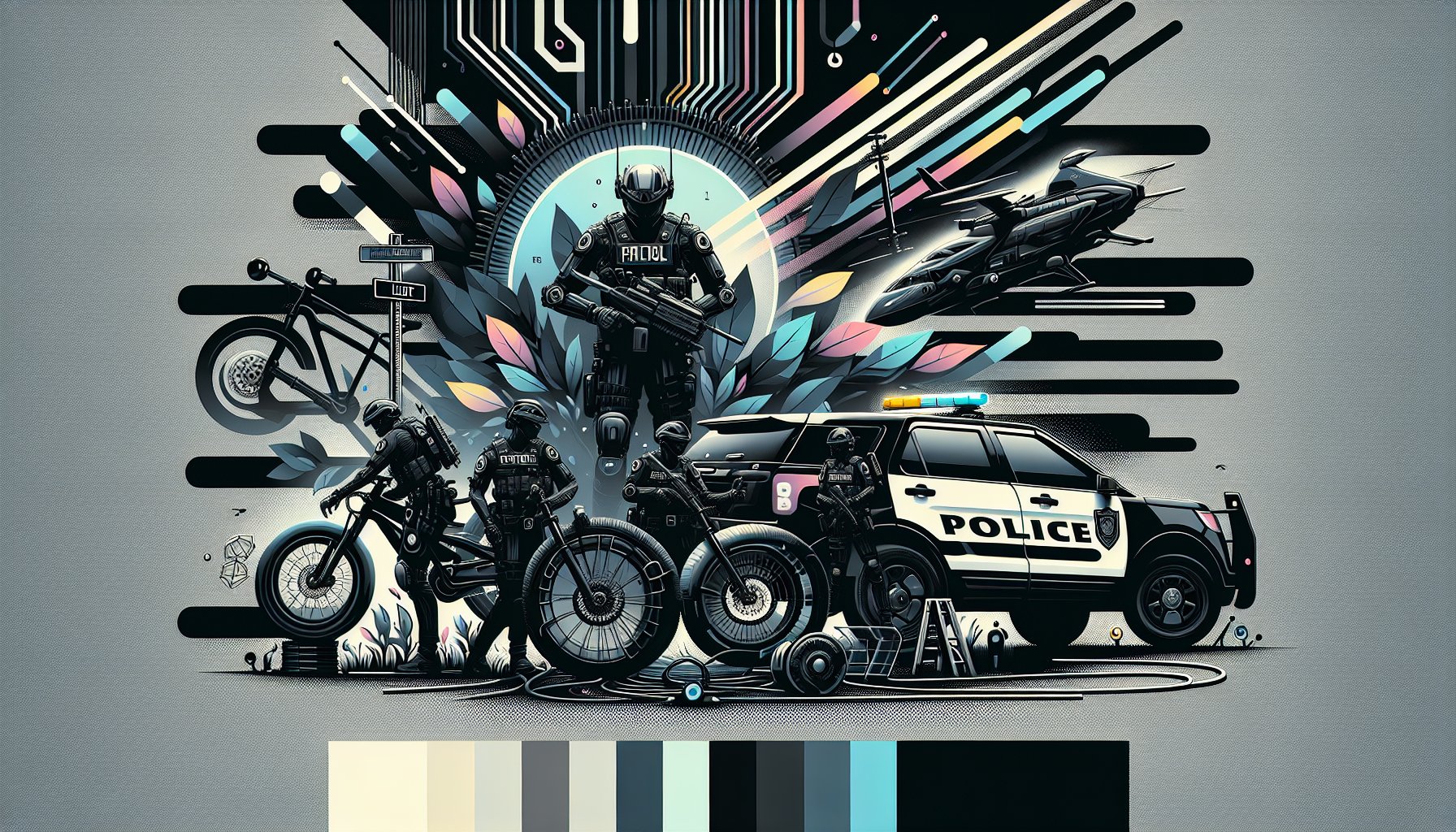
In the colorful realm of law enforcement, the choice between two wheels and four goes beyond a simple pick of vehicle type; it’s the heart of a tactical debate shaping policing strategies and community interactions. Picture a duel, not quite as dramatic as Hollywood would have it, but a duel nonetheless. Patrol bikes and patrol cars each bring their own strengths to the table, offering a fascinating study in contrasts.
Two Wheels vs. Four: A Tactical Showdown
Imagine yourself in a city, its streets bustling, narrow, and tight. Here, patrol bikes glide through traffic jams with the elegance of a ballerina in a tutu, while patrol cars huff and puff, struggling to keep up. In emergencies, say, a disturbance in a tightly packed neighborhood, a bike naturally outpaces the traditional cop car. And that’s not all. Riding a bike makes officers seem more like the friendly neighborhood Spider-Man and less like Gotham’s intimidating Batmobile, putting community-oriented policing into action.
Meanwhile, patrol cars are the Swiss Army knives of law enforcement, equipped and ready for everything from a police chase to a neighborhood patrol to a picnic (if your picnic requires riot gear). They come decked out with gadgets and gizmos aplenty, giving officers access to a world of information at their fingertips. The car acts as a shield, both physical and technological, making officers feel like they’re driving around in their own mobile command center. But this mighty presence can sometimes warp into an intimidating shadow, creating a barrier instead of building bridges.
Urban Jungle: Agility in Action
Picture the downtown maze of Los Angeles or Brooklyn on a summer day, cars jammed and pedestrians flowing like a human river. In such an urban jungle, the patrol bike is king. It swoops and swerves, weaving through the chaos with ease and grace. Want to avoid the migraine of a traffic jam? Call in the bikes.
But the urban jungle isn’t just about agility; it’s about connectivity. Officers on bikes are the approachable faces of the police department. They can stop and chat with locals, bridging the gap between law enforcement and community. Even better, these bikes are the eco-warriors of the patrol world, producing zero emissions while promoting a healthier lifestyle.
The Open Road: Speed Meets Efficiency
When it comes to hitting the open road, patrol cars often steal the spotlight with their speed and power. Yet, in the winding alleys and bustling sidewalks, it’s the bikes that triumph in efficiency. Festivals, protests, weekend block parties, anywhere cars are more burden than blessing, bikes come to the rescue.
Bikes also shift the interaction dynamic. Officers on bikes can turn a potential confrontation into a conversation, making encounters less about authority and more about collaboration. That’s a win in a time when community relations are more vital than ever.
Costing the Beat: Dollars and Sense
Let’s talk money. Patrol cars are a hefty investment, and their upkeep digs deep into public funds. Patrol bikes, on the other hand, are like a thrifty but effective superhero, low cost, low maintenance, but still packing a punch. By choosing bikes, departments can stretch budgets further, focusing resources where they count most: building safer, more connected communities.
The Environmentally Friendly Patrol
In the era of climate consciousness, patrol bikes ride high on the eco-friendly wave, minimizing carbon footprints while maximizing community engagement. Cities like Copenhagen have embraced bikes not only as a green alternative but as a tool to foster community trust and reduce crime rates, one pedal stroke at a time.
Building Community Relations
Patrol bikes have a unique way of humanizing officers, breaking down barriers of fear and mistrust. Out on a bike, officers are right there in the mix, engaging, connecting, building relationships. This approach makes law enforcement less about enforcement and more about collaboration, transforming neighborhoods into communities where trust and dialogue thrive.
Training Wheels: The Skill Set Behind the Ride
Patrolling on a bike isn’t just about hopping on and rolling out. It demands a mix of physical stamina and social savvy. Officers need to navigate both the physical streets and the complex social dynamics of the neighborhoods they serve. This kind of policing is personal, officers on bikes are approachable, relatable, and often more effective.
Safety First: Risks on Two Wheels vs. Four
Safety is a nuanced dance between visibility and vulnerability. Bikes offer agility and approachability but come with exposure to elements and traffic risks. Cars provide a protective barrier but can create a sense of intimidation and distance. Striking the right balance is key to effective, empathetic policing.
The Technology Edge
In our tech-savvy world, patrol bikes aren’t just about pedal power. They’re integrated with the latest tech, GPS, communication tools, and visibility gadgets, enhancing efficiency and safety. Companies like Volcanic Bikes lead the way, proving that law enforcement can be both high-tech and approachable.
The Future of Patrol
As we pedal toward the future, the blend of bikes and cars in patrol fleets reflects a shift toward sustainability, community engagement, and redefined policing practices. Embracing bikes isn’t just an operational decision; it’s a commitment to fostering a police presence that’s both eco-friendly and community-focused. This evolving landscape holds the promise of a brighter, more connected future for law enforcement and the communities they serve.
TLDR:
In the showdown between patrol bikes and cars, bikes win points for agility, community engagement, and eco-friendliness, while cars offer protection, technology, and versatility. The decision between them shapes community relations and policing philosophy. Embracing bikes could redefine law enforcement, offering a sustainable, approachable, and efficient alternative.