
 My Account
Volcanic Bikes - Specialty Patrol Bikes
7 Common Questions About Volcanic Bikes Answered for Patrol Officers
Discover how Volcanic Bikes enhance patrol efficiency and community engagement. Explore their benefits, maintenance tips, and real-life officer experiences in our comprehensive guide. Perfect for law enforcement looking to innovate their bike patrol strategies.
Feb 05, 2026
7 min read
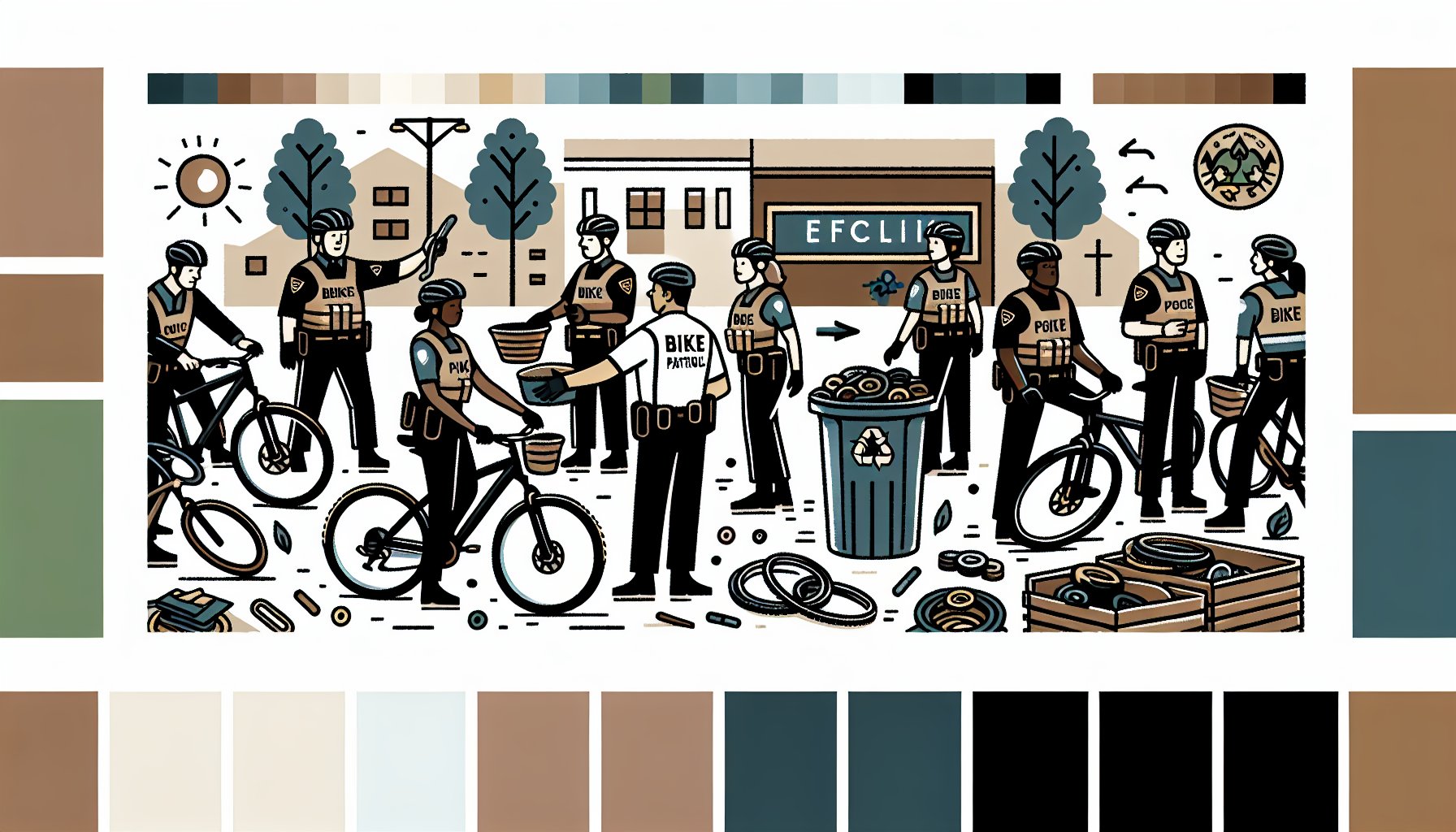
7 Common Questions About Volcanic Bikes Answered for Patrol Officers
TL;DR
Volcanic Bikes revolutionize bike patrol for law enforcement by offering durability, agility, and visibility, tailored to diverse terrains, from the bustling streets to rugged parks. These bikes enhance officer efficiency and community engagement while promoting eco-friendly practices. But is a Volcanic Bike right for every patrol area? Dive into how they fit different environments and situations, the gear to optimize performance, and maintaining them for peak performance. Explore the future of patrol biking that melds technology with sustainability and read real-life officer tales that showcase the profound impact of bike patrols.
1. Riding the Lava
An Overview of Volcanic Bikes' Purpose and Design
Let's hit the pedal on a journey through the world of Volcanic Bikes, where public safety meets pedal power. When police departments first flirted with bike patrols in the '80s, it wasn’t just about slashing fuel costs. It was a strategic move to enhance community connections and boost operational efficiency. Enter Volcanic Bikes, the rock stars of this initiative, helping officers glide through urban landscapes with the grace of lava flows (minus the scorching heat).
Volcanic Bikes aren't your typical two-wheelers. They're the all-terrain warriors built to endure the urban jungle and parkland challenges. Made from high-strength materials, these bikes withstand daily wear and tear, offering a lightweight design perfect for stealthy maneuvers, a must for modern-day policing. Plus, they come with safety features like integrated lighting systems and reflective gear to keep officers visible, especially during those nocturnal escapades.
But why just ride a bike when you can ride a mission? Volcanic Bikes transcend transportation, promoting efficient policing and community interaction while boosting officer health. Lt. Tom Woods from Texas’s Denton PD can vouch for their complexity and the thoughtful execution required to make bike patrols a success. Ultimately, these bikes aren't just about getting from A to B; they're about shaping a proactive future for law enforcement.
2. The Heat of the Moment
Is a Volcanic Bike Right for Your Patrol Area?
Thinking of joining the bike brigade? Awesome! But before you do, consider this: each patrol area is its own beast. The benefits are flashy, like operational efficiency and community rapport, but each geographic and demographic setting has its quirks.
These bikes shine in diverse terrains, from jam-packed city streets to serene suburban pathways. Picture this: During a bustling summer festival, a bike officer effortlessly weaves through the crowd, a beacon of safety and approachability. It's not just about crime deterrence; it's about presence.
But, you have to be strategic. In areas with street crime, these bikes offer agility and stealth, giving officers the upper hand in alleyways. Plus, they're cost-effective compared to maintaining a fleet of patrol cars, and they're a health boost for officers. Yet, ask yourself: Does your area have the infrastructure for safe bike patrols? Are the local laws bike-friendly? It's about tailoring the strategy to fit the environment perfectly.
Analyze Various Types of Patrol Environments
Volcanic Bikes are your all-terrain allies, whether you're navigating urban chaos or off-road wilderness. Think of them as the Swiss Army knives of modern policing: lightweight for city streets, durable for rugged trails.
In cityscapes, they deter crime with a visible presence while enhancing community bonds. Out in the wilderness, Volcanic Bikes shine with superior suspension and tires, making them indispensable for officers chasing suspects or aiding lost hikers. These bikes are more than transport, they're a strategic upgrade to law enforcement’s toolkit.
3. Gear Up
Essential Accessories for Maximum Efficiency
In the world of police bike patrols, gear is your best friend. A helmet, for instance, is more than a head protector, it’s a communication hub allowing real-time updates while you pedal through the chaos of downtown. Lighting systems? They're not just for illumination; they're for making sure you're seen, preventing accidents, and scaring off potential wrongdoers.
Then there’s the storage. Specialized racks and bags for bikes mean that essential tools are always at your fingertips, ready for action. Imagine quickly grabbing a first aid kit in a medical emergency. These accessories aren't just add-ons; they're lifelines ensuring officers perform at their best.
4. Managing the Pressure
Handling Maintenance and Repairs
Bike patrols have come a long way since their ’80s debut, and so has our understanding of bike maintenance. Regular check-ups aren’t optional, they’re essential for avoiding breakdowns mid-pursuit. Officer Smith learned this the hard way during a late-night chase that ended with a flat tire. Lesson learned: Regular maintenance is a must.
Building relationships with local bike shops is invaluable. Officer Johnson discovered this when a local expert recommended components to withstand rough terrain. Sharing knowledge and maintaining a culture of responsibility ensure these bikes remain reliable partners in policing.
5. The Duty Cycle
Endurance and Reliability with Volcanic Bikes
Volcanic Bikes aren't just about good looks. They're engineered for endurance, covering significant ground while staying agile. Picture officers patrolling for hours at a community event, their bikes handling every challenge seamlessly. It's about design that stands up to everyday use without compromising performance.
Technological advancements have enhanced these bikes' duty cycles. They tackle diverse terrains with high-performance gears and robust tires. They’re not just bikes; they’re reliable law enforcement buddies ready for any situation.
6. Safety First
Navigating Risks with Volcanic Bikes
The thrill of bike patrols comes with its own risks: accidents and confrontations are the real deal. Proper training in riding techniques and bike maintenance is crucial. And it's not just about physical safety; officers need mental resilience to handle the stressors of bike patrol. Peer support programs provide a platform for sharing experiences and fostering resilience.
7. Community Engagement
How Patrol Officers Utilize Bikes Beyond Duty
Imagine a bike officer pedaling through a park, stopping to chat with families and joggers, fostering trust and approachability. That's the beauty of bike patrol: breaking down barriers.
These bikes allow officers to respond quickly and engage the community. They promote fitness and healthy living through community rides, strengthening bonds with residents. It's not just about policing; it's about redefining the public's perception and trust.
8. The Road Ahead
Future Innovations and Trends in Patrol Biking
The future of patrol biking involves smart technology, like GPS tracking and body cameras, enhancing officer safety and public trust. Sustainability is a big player too, with e-bikes offering an eco-friendly alternative to traditional vehicles. Training and professional development continue to evolve, preparing officers for 21st-century challenges. Community feedback remains crucial, shaping the direction of bike patrols to foster trust.
9. Riding for Change
How Volcanic Bikes Contribute to Sustainability in Policing
Volcanic Bikes are champions of sustainable policing, cutting carbon emissions compared to traditional patrols. They're tools for community-oriented policing, promoting trust and cooperation. Solar-powered charging stations for e-bikes reduce the ecological footprint, setting a green precedent for the industry.
10. Tales From the Trail
Real-Life Stories from the World of Bike Patrols
Stories from officers like Lt. Tom Woods and Officer Maria Gonzalez highlight the impact of bike patrols. From engaging with festival crowds to stealthy nighttime interventions, these tales showcase how bikes enhance community relations and safety. They underline the transformative power of bike patrols, fostering trust and proactive prevention.
With technology and sustainability at the helm, the future of patrol biking is bright. As officers embrace these wheels of change, the road ahead is paved with safer, more connected communities. Riding a bike isn't just about the journey, it's about shaping a legacy of trust and safety in policing.

 11540 W Dodge Rd

Need Help?
Check out these related products that can help:

Other Articles You Will Like
Volcanic Bikes - Specialty Patrol Bikes
The Future of Patrol Cycling: Trends and Innovations with Volcanic Bikes in 2025
Discover how Volcanic Bikes is transforming patrol cycling in 2025 with cutting-edge technology, community engagement, and sustainable practices. Join the revolution in urban safety and efficiency!
Feb 09, 2026
Read More
Volcanic Bikes - Specialty Patrol Bikes
How Do Volcanic Bikes Compare to Traditional Patrol Vehicles? Common Questions
How do Volcanic Bikes compare to traditional patrol vehicles? Discover the advantages, community engagement, and cost-effectiveness of these innovative bikes in modern policing. Learn how they enhance public safety and redefine police-community relationships.
Feb 05, 2026
Read More

Volcanic Bikes - Specialty Patrol Bikes
Why Volcanic Bikes Are the Best Choice for Urban Patrols in 2025
Explore how Volcanic Bikes are revolutionizing urban patrols in 2025 with cutting-edge technology, sustainability, and community engagement. Learn why these bikes are the best choice for modern law enforcement.
Feb 04, 2026
Read More

Volcanic Bikes - Specialty Patrol Bikes
Are Volcanic Bikes Worth It? Answers to Your Most Common Questions
Curious if Volcanic Bikes are worth it? Discover answers to your most common questions about these durable bikes designed for Maui's stunning landscapes. Experience unforgettable adventures and community connections with every ride down Haleakalā.
Feb 04, 2026
Read More

Volcanic Bikes - Specialty Patrol Bikes
Unleashing the Power of Volcanic Bikes: A Deep Dive into Their Performance and Design
Unleashing the Power of Volcanic Bikes: A Deep Dive into Their Performance and Design. Explore how innovation meets sustainability in cycling, transforming your ride into an exhilarating adventure.
Feb 04, 2026
Read More
Volcanic Bikes - Specialty Patrol Bikes
What Features Should You Look for in a Volcanic Bike? Frequently Asked Questions
Discover the key features to look for in a Volcanic Bike. From terrain adaptability to safety essentials, learn how to choose the perfect bike for your adventures. Explore FAQs on what makes these bikes unique and how to maintain them for optimal performance.
Feb 03, 2026
Read More
Volcanic Bikes - Specialty Patrol Bikes
The Advantages of Choosing Volcanic Bikes for Patrol Services: An Expert Review
Explore how Volcanic Bikes are revolutionizing patrol services with innovative design, eco-friendly materials, and enhanced community engagement. Learn why law enforcement agencies are choosing these bikes for effective policing.
Feb 03, 2026
Read More
Volcanic Bikes - Specialty Patrol Bikes
How Easy Is It to Maintain a Volcanic Bike? Your FAQs Answered
Discover how easy it is to maintain a Volcanic Bike with our comprehensive guide. From essential tools to community insights, learn everything you need to keep your bike adventure-ready in Ecuador's stunning landscapes.
Feb 03, 2026
Read More