
 My Account
Telematics Smart Fleet Integration
What Are the Best Practices for Smart Fleet Integration in 2025?
Discover the essential best practices for smart fleet integration in 2025. Learn how to leverage technology, sustainability, and data-driven strategies to enhance efficiency and customer experience. Stay ahead in the evolving fleet management landscape!
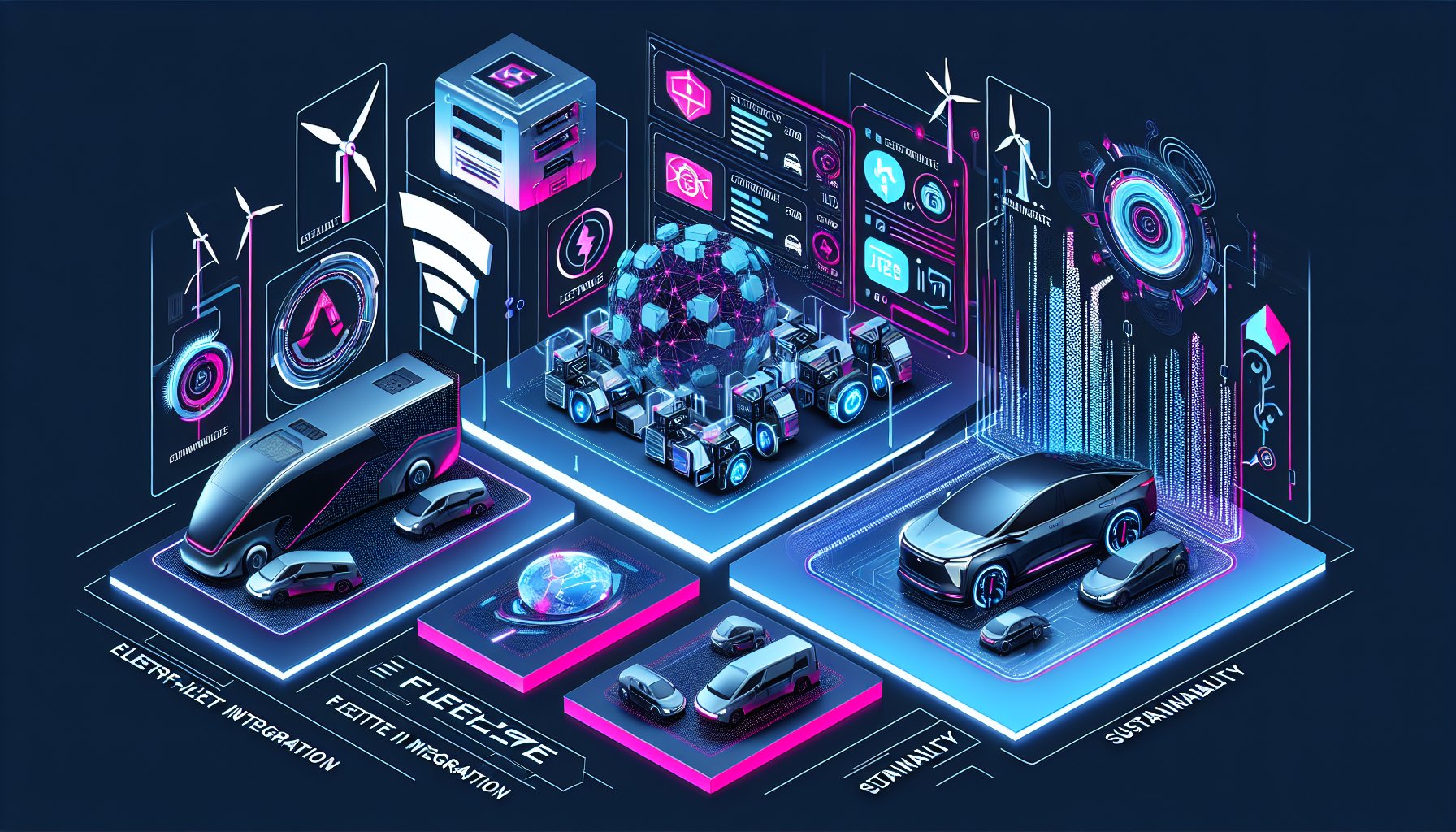
What Are the Best Practices for Smart Fleet Integration in 2025?
Welcome to the thrilling world of fleet integration, where change is the only constant, and 2025 is shaping up to be quite the year for trailblazers like Volcanic Bikes. With seismic shifts, driven by tech innovations, regulations, and insistent market demands, companies find themselves at a crossroads. They can either ride the technological wave with flair or risk being swept away. So, how do you ensure you’re riding a sleek electric wave rather than clinging to a sinking ship? Let’s chart the course.
TL;DR
- Ride the Tech Wave: Embrace AI, IoT, and telematics for efficiency and safety, think proactive maintenance and happier drivers.
- Tailor Your Approach: Understand your fleet’s unique needs. Data insights help optimize operations, especially with electric vehicles.
- Tech-Driven Transformation: Go beyond spreadsheets. Use platforms like FleetWave to gain insights that impact the bottom line.
- Human-Centric Strategy: Train your team, support them, and embrace tech as an ally, not a foe.
- Sustainability at Heart: Make eco-friendliness a core strategy, not an afterthought.
- Data-Driven Decisions: Use analytics to foresee challenges, reduce costs, and achieve compliance.
- Partnerships Matter: Collaborate with tech innovators to stay competitive and operate efficiently.
- Future-Proofing Strategies: Embrace a holistic approach with data, sustainability, and innovation.
- Customer Experience: Use tech for seamless, transparent service to boost trust and loyalty.
- Measure and Thrive: Use analytics to gauge success and adapt strategies.
1. Riding the Wave of Change
Fleet management today isn’t your dusty old spreadsheets or occasional telematics check-ins, it’s a dynamic, interconnected beast demanding attention and strategy. For Volcanic Bikes, keeping pace with tech advancements like AI, IoT, and advanced telematics is not just about staying relevant; it’s about creating an agile and proactive operation. Imagine AI systems that foresee maintenance needs before they morph into costly repairs or ADAS technology that redefines safety and satisfaction for drivers. With a global driver shortage, prioritizing well-being over mere surveillance is a game-changer. Meanwhile, transitioning to electric vehicles is crucial for aligning with sustainability goals. The bottom line? Embrace these innovations or risk being left in the dust.
2. Navigating the Terrain: Understanding Your Fleet’s Unique Needs
Every fleet is as unique as its drivers, reflecting varied environments and objectives. For Volcanic Bikes, the array of factors, from bike types to delivery routes, demands a nuanced approach. Central tools like FleetWave provide invaluable insights, aiding in decisions ranging from electric bike placement within cities to optimizing charging stations along routes. The goal here is simple: leverage data to streamline operations and support sustainability goals without breaking a sweat (or the bank).
3. Tech-Driven Transformation
Enter the realm of FleetWave, your new best friend in fleet management. Gone are the days of manual data entries and fragmented tracking. FleetWave offers deep dive capabilities into metrics like fuel consumption and maintenance, empowering managers to act with precision. But remember, it’s not just about operational oversight, it’s about fostering a culture of safety and satisfaction, especially in the face of a global driver shortage. By creating a supportive environment, Volcanic Bikes not only retains its drivers but attracts new talent.
4. The Human Element: Training and Team Buy-In
Sarah at Volcanic Bikes knows this well: implementing tech without team buy-in is like brewing coffee without beans, pointless. She orchestrated interactive workshops to demonstrate FleetWave’s potential, showing the team how it translates to tangible benefits like improved maintenance scheduling and fuel tracking. Empowering employees to provide feedback and engage with the tech leads to a collaborative culture, fostering job satisfaction and retention. The human touch remains vital, even in a tech-driven world.
5. Sustainability at the Core
Sustainability isn’t a checkbox on a corporate report; it’s the beating heart of modern fleet management. Volcanic Bikes, by embracing electric bikes, not only reduces emissions but attracts eco-conscious consumers. Platforms like FleetWave offer real-time data on emissions and vehicle performance, enabling informed decisions that align with sustainability goals. It’s about integrating eco-friendliness into the core of operations, securing a competitive edge in a world that’s more green-conscious by the day.
6. Data-Driven Decisions
Data isn’t just for nerds, it’s your secret weapon. FleetWave’s analytics turn raw data into actionable insights, saving time and money while optimizing vehicle longevity. Predictive maintenance and optimal EV route planning are just a few perks. By consolidating telemetry from various sources, fleet operators gain a holistic view of performance, enhancing safety and job satisfaction, a crucial factor with driver shortages looming.
7. Collaborating for Success
Fleet operators can’t do it alone; they need strategic partners like FleetWave. With tech tools analyzing everything from route efficiency to battery health, operators are better equipped to navigate the complexities of modern fleet management. Such collaborations empower fleets to not just survive but thrive, ensuring they meet evolving customer demands, safety expectations, and sustainability goals.
8. Future-Proofing Your Fleet
Future-proofing is about readiness, being proactive rather than reactive. Embrace comprehensive systems like FleetWave for real-time insights and operational efficiency. As sustainability becomes non-negotiable, strategic electrification with data-driven decisions is key. Mix in a culture that values innovation, and you’ll not only keep up with 2025 but lead the charge.
9. The Customer Experience
Customers aren’t interested in merely getting their orders, they want transparency and efficiency. FleetWave ensures just that, with real-time tracking systems and predictive maintenance that boost reliability. A seamless customer journey evolves from transactional to a partnership, enhancing trust and loyalty in an eco-conscious market.
10. Crossing the Finish Line: Measuring Success in Smart Fleet Integration
Measuring success in 2025 is all about actionable insights. Use platforms like FleetWave to transform data into a narrative highlighting strengths and areas for improvement. Compliance, sustainability, and technological integration become your success metrics. So, gear up, measure diligently, and let your fleet cross the finish line not just in compliance but in triumph.
As we charge toward 2025, remember: the future of fleet management isn’t just about staying afloat, it’s about riding the wave with confidence and style. Are you ready to make waves?