
 My Account
Patrol Bike Engineering & Build Quality
What Are the Key Engineering Challenges in Patrol Bike Manufacturing?
Discover the key engineering challenges in patrol bike manufacturing at Volcanic Bikes. From material selection to safety mechanisms, explore how innovation meets real-world needs in crafting the ultimate patrol bike.
Jan 08, 2026
7 min read
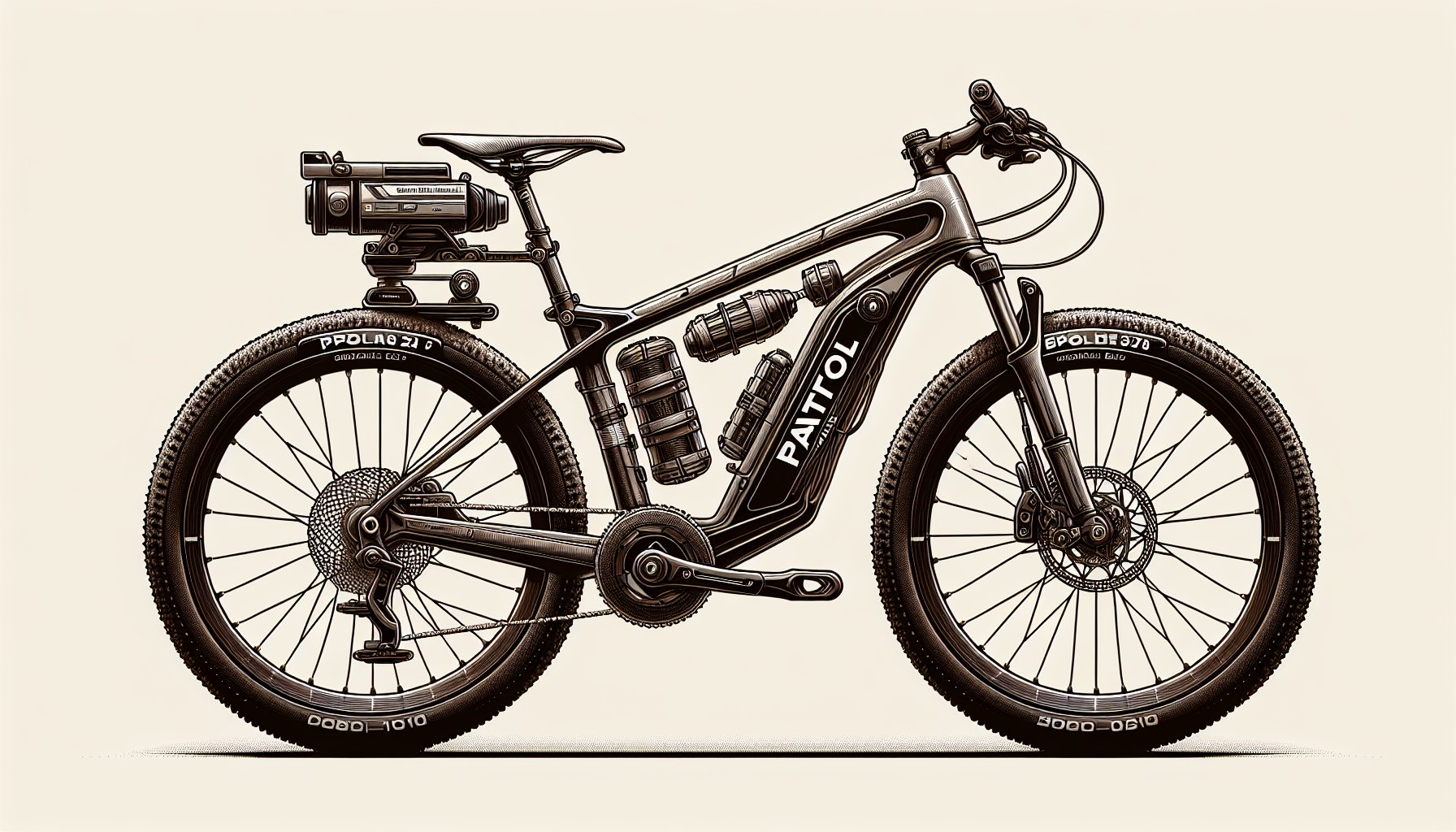
Grit and Gears: Navigating the Engineering Challenges of Patrol Bikes
In the bustling world of modern manufacturing, you might think crafting a patrol bike would be a cinch compared to building cars or planes. Yet, at Volcanic Bikes, a leader in this niche (and possibly your next bike obsession), the reality is a tad more complex. It's an engineering saga filled with grit, innovation, and a relentless quest for improvement, echoing the agile spirit that's taken over product design.
The journey at Volcanic Bikes starts long before the first weld or paint job. Every patrol bike that hits the streets is the result of rigorous market research, user feedback, and a keen understanding of what law enforcement really needs. Unlike your garden-variety bicycles, patrol bikes face harsh conditions and must deliver reliable, responsive performance. This demands an engineering approach that blends durability with comfort, leading to intricate design iterations that spark lively discussions among the team.
Steel Spine, Carbon Soul: The Material Dilemma
Ah, the age-old battle of materials: strength versus weight, durability versus flexibility. At Volcanic Bikes, this conundrum takes shape as a quest for harmony, a steel backbone paired with a carbon soul. Steel has long been the darling of bike manufacturing for its robust strength and resilience, ideal for the rigors of law enforcement. But it's not all rosy; the weight of steel can be a real drag (literally) when quick maneuvers are needed. Enter carbon fiber, the superhero of materials with its high strength-to-weight ratio. Yet, integrating carbon into a patrol bike isn't without its headaches, cost, handling, and ride stiffness can all become villains in this tale.
The innovation at Volcanic lies in marrying these two materials. By combining a steel frame with carbon fiber reinforcements, they aim to create a bike that's as tough as it is light, handling gear weight with ease while allowing nimble urban navigation. It's not just a technical fix; it's a rethink of patrol bike engineering. This hybrid approach seeks to balance performance with practicality, a quest that'll likely keep Volcanic Bikes busy, and on the cutting edge, for years to come.
Riding the Line: Balancing Weight and Stability
At the heart of patrol bike engineering is the dance between weight and stability, a tightrope walk that's both thrilling and treacherous. An effective patrol bike must be an agile partner for officers who zigzag through urban landscapes, yet stable enough to carry the weight of their gear. Picture an officer on a night patrol, darting through city streets, where agility meets unexpected obstacles. Too heavy a bike, and their quick response is hampered; too light, and stability goes out the window.
Volcanic Bikes tackles this by diving into research and development, using advanced materials and smart design practices. Lightweight alloys like aluminum and carbon fiber reduce mass without skimping on strength. Careful attention to weight distribution keeps the center of gravity low, enhancing stability and making those hairpin turns a breeze. The secret sauce? Real-world feedback from officers who provide invaluable insights into the bike's performance, ensuring it's more than just a theory on paper.
Tread and Trust: Designing Tires for Diverse Environments
Tires may not steal the spotlight, but they're the unsung heroes of any patrol bike, connecting bicycle to terrain. At Volcanic Bikes, designing tires that can tackle diverse environments is a challenge stitched with safety, performance, and adaptability. City streets demand tires that are durable and puncture-resistant, engineered with tougher rubber for urban hazards. On trails, the focus shifts to traction and grip, requiring tread patterns that channel mud and stones away to prevent slips.
This isn't just an engineering challenge; it's a lesson in trust. Field feedback from officers drives innovation, ensuring that tires aren't just good on paper but perform in real high-stakes situations. Every tire produced isn't just a product, it's a commitment to safety, reliability, and trust for those who protect and serve.
The Brake Point: Engineering Safety Mechanisms
When speed meets safety, Volcanic Bikes is at a thrilling juncture, "the brake point." In patrol bikes, traditional brakes might cut it for a Sunday jaunt, but not in high-pressure patrol scenarios. Disc brakes, especially hydraulic ones, provide the stopping power necessary for precise control in urban chaos. Add the challenge of weight shifts from gear-laden officers, and you've got an engineering puzzle, solved with adjustable brake lever ratios that keep safety intact across scenarios.
Beyond brakes, safety features like reflective surfaces and signal lighting are woven into the bike's design, merging function with form. Each design choice echoes a commitment to rider safety, a priority as Volcanic Bikes forges ahead in its mission to build not just machines, but dependable partners in public safety.
Powering Performance: The Challenge of Bicycle Electronics
Bicycle electronics open a new frontier in bike manufacturing, full of promise and perplexity. Modern patrol bikes boast GPS tracking, integrated lighting, and smart connectivity, enhancing utility and safety. But embedding such tech into a bike demands a delicate balance of weight and innovation.
Beyond just clever gadgets, these electronics must withstand Mother Nature's tantrums. Rainproofing and durability are non-negotiable, demanding rigorous testing and material refinement. At Volcanic Bikes, electronic integration is an agile, collaborative process, ensuring that prototypes are field-tested and feedback-fueled, enhancing both product and user confidence.
The Comfort Conundrum: Ergonomics in Patrol Bike Design
Comfort isn't just a luxury; it's crucial for performance. An uncomfortable bike can diminish an officer's effectiveness, impacting agility and endurance. At Volcanic Bikes, ergonomic design is king, informed by real-world rider feedback to fine-tune everything from handlebar height to saddle comfort. Lightweight materials and adaptive designs ensure that every ride is as comfortable as it is functional, fostering a sense of pride and confidence among users.
The Weather Factor: Engineering Resilience Against the Elements
Weather is an adversary in patrol bike design, demanding resilience against rain, snow, and heat. At Volcanic Bikes, this means selecting corrosion-resistant materials and ensuring braking systems perform under all conditions. It's about crafting a bike that thrives in adversity, inspiring confidence and capability in its rider.
The Assembly Line of Innovation
The assembly line at Volcanic Bikes isn't just a production process, it's a breeding ground for innovation. By embracing agile and lean methodologies, the line allows for rapid prototyping and feedback loops, ensuring each bike is a response to real-world needs. This dynamic environment fuels creativity and continuous improvement, transforming challenges into opportunities for advancement.
Real-World Ride: Field Testing and User Feedback
The real test of a patrol bike is in the field, where officer feedback transforms prototypes into refined products. Volcanic Bikes embraces this dialogue, using ride-alongs and real-world insights to inform design choices. It's about crafting a tool that enhances an officer's duties, ensuring the bike is more than just a vehicle but a trusted partner in action.
Future Trajectories: Innovations on the Horizon
As Volcanic Bikes looks to the future, the horizon is bright with innovations like AI integration, sustainable materials, and IoT capabilities. These advancements promise to redefine patrol bike capabilities, merging technology with tradition to create a new standard in urban policing. The journey is just beginning, with Volcanic Bikes poised to lead the way in an ever-evolving landscape demanding adaptability and foresight.
TL;DR: Volcanic Bikes faces a multifaceted engineering landscape in patrol bike manufacturing. From material dilemmas balancing steel's strength against carbon's lightweight agility, to tire designs tackling urban and rugged terrains, the challenges are vast. Emphasizing real-world feedback, Volcanic innovates tirelessly on ergonomics, safety, electronics, and weather resilience. Looking ahead, AI, sustainable materials, and IoT signal a future where patrol bikes are more than transportation, they're partners in public safety.

 11540 W Dodge Rd

Need Help?
Check out these related products that can help:

Other Articles You Will Like
Patrol Bike Engineering & Build Quality
Building the Ultimate Patrol Bike: A Comprehensive Guide to Engineering Excellence
Discover how Volcanic Bikes is revolutionizing community safety with their ultimate patrol bike. Explore innovative features, eco-friendly designs, and the engineering excellence behind this transformative ride. Join the movement towards safer, greener urban environments!
Apr 05, 2026
Read More
Patrol Bike Engineering & Build Quality
How Does Patrol Bike Engineering Affect Rider Safety? FAQs Explored
Discover how patrol bike engineering impacts rider safety. From tire choices to smart technology, explore FAQs on design, ergonomics, and community feedback that shape safer riding experiences.
Apr 03, 2026
Read More
Patrol Bike Engineering & Build Quality
10 Patrol Bike Engineering Trends Every Officer Should Know
Explore the latest innovations in patrol bike engineering. From eco-friendly designs to high-tech features, learn how these trends are transforming law enforcement and enhancing officer efficiency on the streets.
Mar 30, 2026
Read More
Patrol Bike Engineering & Build Quality
Patrol Bike Build Quality: Comparing Materials and Construction Techniques for Optimal Performance
Discover how Volcanic Bikes combines advanced materials and construction techniques to enhance patrol bike performance. Learn about frame quality, tubing innovations, and sustainable practices that ensure safety and durability on every ride.
Feb 19, 2026
Read More
Patrol Bike Engineering & Build Quality
What Engineering Innovations Are Revolutionizing Patrol Bikes in 2025?
Discover how engineering innovations are revolutionizing patrol bikes in 2025. From AI integration to eco-friendly designs, explore the future of urban policing on two wheels and how these advancements enhance community engagement.
Feb 18, 2026
Read More
Patrol Bike Engineering & Build Quality
Patrol Bike Engineering Explained: How Design Impacts Performance in Urban Environments
Discover how Volcanic Bikes is revolutionizing patrol bike engineering. Explore the impact of design on performance in urban environments, from stability to smart technology, and learn how sustainability plays a crucial role in modern patrol biking.
Feb 18, 2026
Read More
Patrol Bike Engineering & Build Quality
Why is Engineering Important in Patrol Bike Performance? Common Questions
Discover why engineering is crucial for patrol bike performance. Explore common questions about design, materials, and innovations that enhance safety and efficiency in law enforcement. Learn how Volcanic Bikes leads the way in this engineering evolution.
Jan 21, 2026
Read More
Patrol Bike Engineering & Build Quality
What Role Does Testing Play in Patrol Bike Engineering? Answers to Common Questions
Discover the vital role of testing in patrol bike engineering. Learn how Volcanic Bikes ensures safety, reliability, and innovation through rigorous testing methods. Explore answers to common questions about patrol bike performance and engineering.
Jan 21, 2026
Read More