
 My Account
Fire Ems Apb
How to Optimize Fire/EMS APB for Efficiency: Common Questions
Discover how to optimize Fire/EMS APB for efficiency with our comprehensive guide. Explore technology, training, accountability, and community engagement to enhance emergency response. Learn to overcome challenges and embrace the future of public safety.
How to Optimize Fire/EMS APB for Efficiency: Common Questions
TL;DR Summary
- Public Safety: Optimized APB systems are crucial for life-saving communication in emergencies.
- Technology & Efficiency: Data analytics and mobile apps streamline fire/EMS operations.
- Communication: Dispatch relies on clear, precise communication under pressure.
- Training: Continuous, human-centered training shapes effective emergency response teams.
- Accountability: Transparency and responsibility enhance trust and operational efficiency.
- Feedback Loops: Iterative learning and open feedback improve emergency response.
- Community Engagement: Involving community enhances APB system effectiveness.
- Overcoming Obstacles: Address data overload, resistance to change, and budget constraints.
- Future Vision: Embrace AI, real-time data, and community collaboration for next-gen APB systems.
1. The Pulse of Public Safety
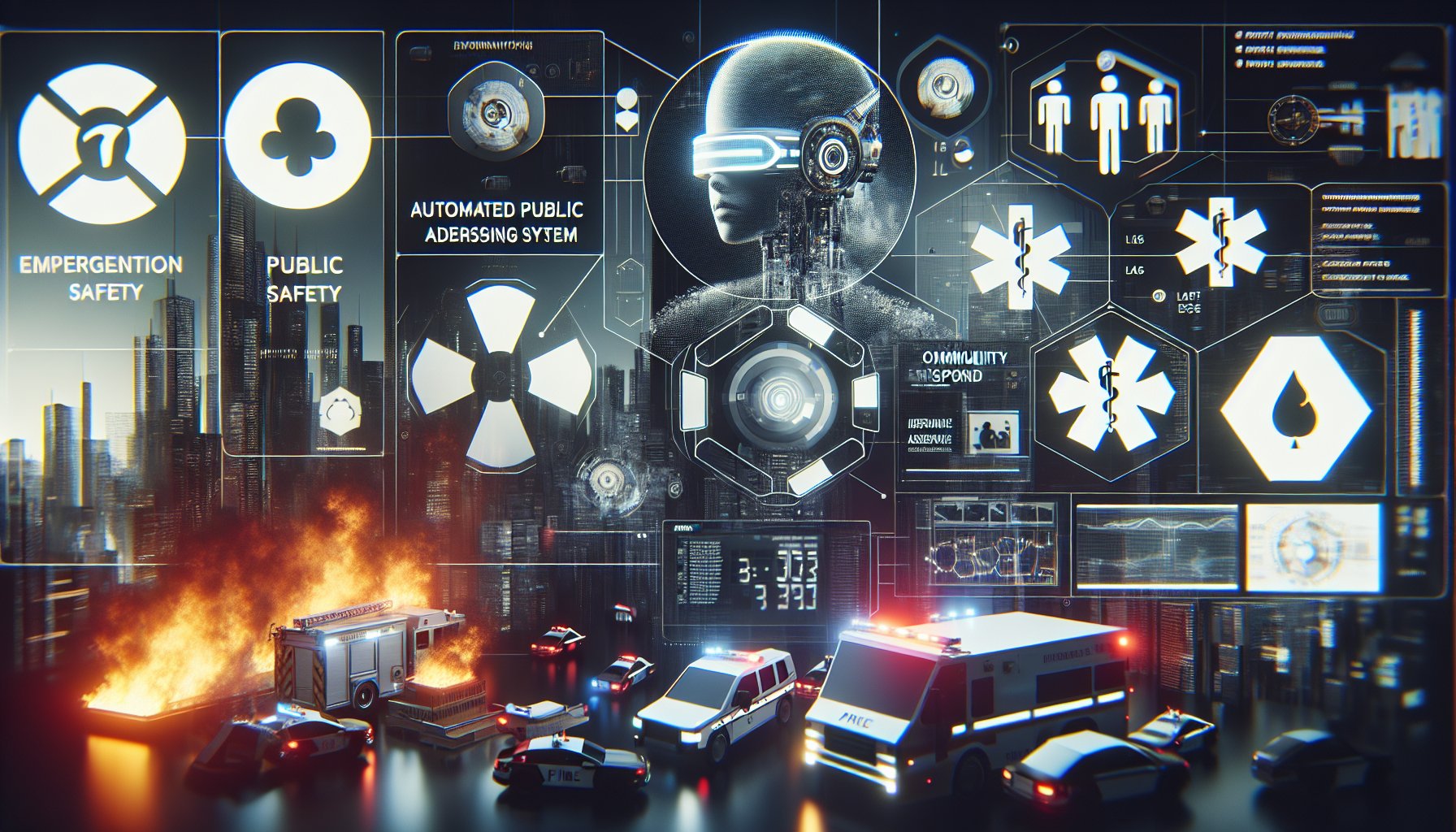
In our fast-paced world, where each tick of the clock could save a life, the Automated Public Addressing System (APB) emerges as the unsung hero of public safety. Whether it’s guiding evacuations during a fire or directing medics to a child’s side, an optimized APB can make those critical seconds count. More than just a tech marvel, it’s the beating heart of emergency response, harmonizing chaos into a lifesaving chorus.
This system isn’t just wires and signals; it’s the lifeline connecting responders and communities through sirens, loudspeakers, and, increasingly, the phones buzzing in our pockets. Yet, it’s the brave souls, firefighters, dispatchers, paramedics, who give these alerts their life-and-death urgency. Picture a fire where the APB’s timely updates prevent panic and guide people to safety. But like any great tool, it comes with its challenges. Keeping tech and human skills in sync through regular training is non-negotiable. When we harness the APB effectively, we don’t just respond faster; we create a community ready to stand strong together.
2. Fueling Efficiency: The Role of Technology in APB Systems
Technology is reshaping how fire and EMS departments operate, and the APB is right in the thick of it. Imagine a fire department that’s not just reacting to emergencies but predicting them. Advanced data analytics and real-time tracking are turning that dream into reality, allowing for smarter resource allocation based on historical data. Mobile apps keep first responders in sync before they even hit the scene, while geographical information systems (GIS) map out the quickest routes in real-time, dodging traffic and making every second count.
The digital leap is clear, but it requires embracing innovation at every level, from investing in new tech to ensuring everyone knows how to use it. This isn’t just about keeping up with the times; it’s about using technology to save lives more efficiently.
3. Clear Communication: The Art and Science of Dispatching
“Time is life” is more than a catchy phrase, it’s the dispatcher’s creed. These unsung heroes don’t just pass along calls; they conduct them, transforming a flurry of information into a symphony of response. With screens flashing and phones buzzing, dispatchers need tech, training, and a touch of human intuition to slice through the chaos with clarity.
Each emergency call is unique, demanding a tailored approach. Computer-aided dispatch systems and ongoing training keep dispatchers agile, ensuring everyone from firefighters to paramedics is in perfect harmony. Clear communication doesn’t stop at dispatch. Cross-agency dialogue, from police to EMS, fortifies response coordination, securing a lifeline when it matters most.
4. Training for Excellence
The tech is shiny, but it’s the people who shine brightest when the pressure’s on. Regular training is the secret sauce that transforms fire stations into hubs of efficiency. Hands-on sessions with APB software teach not just the tech but the teamwork required in crisis moments. It’s about knowing the tools and understanding the community they’re meant to protect.
Feedback-driven training helps teams spot weaknesses and turn them into strengths. When responders feel ownership over their tools and techniques, they’re more committed and confident. Organizations like Volcanic Bikes can harness this synergy to sculpt teams that are both agile and compassionate.
5. Layers of Accountability
In emergency services, accountability isn’t just about checks and balances, it’s about life and death. Every role, from the firefighter at the scene to the EMS director crafting policy, is pivotal. Clear responsibilities promote swift, coordinated action, and post-incident reviews ensure continuous learning.
Tech aids this by tracking every response, highlighting inefficiencies, and facilitating strategic adjustments. Accountability fosters trust and teamwork, making the entire operation more transparent and effective. It’s the backbone of a system where every second counts, and every detail matters.
6. Feedback Loops: The Importance of Continuous Improvement
Adapt or fall behind, this is the mantra for fire and EMS services. Feedback loops are the engines driving continuous improvement, transforming every call into a learning opportunity. By analyzing data from past incidents, agencies can fine-tune training and anticipate challenges.
Encouraging feedback at all levels builds a culture of openness and innovation. Regular reviews and data analysis ensure that every shift starts with a fresh perspective and a commitment to excellence. This proactive approach doesn’t just enhance efficiency, it saves lives.
7. Community Engagement: The Missing Link in APB Effectiveness
A high-tech APB system is only as strong as its connection to the community it serves. Engagement goes beyond announcements; it’s about creating two-way communication. Town hall meetings and social media are vital tools for building trust and responsiveness.
By involving communities in safety efforts, agencies ensure that the APB system is not only used effectively but genuinely meets local needs. This partnership turns passive recipients into active participants in public safety, fostering a culture of preparedness and resilience.
8. Overcoming Obstacles
Data overload, resistance to change, and budget constraints are the trifecta of challenges facing APB optimization. Agencies must streamline data management to ensure quick, informed decision-making. Overcoming resistance requires fostering a climate of acceptance and understanding the benefits of new technologies.
Budget limitations demand creativity, leveraging partnerships and community support to fund essential tech upgrades. Addressing these obstacles head-on ensures that agencies not only meet challenges but transform them into opportunities for growth and improvement.
9. Future Vision: Crafting Tomorrow’s APB Systems Today
Tomorrow’s APB systems promise a seamless integration of AI, real-time analytics, and advanced communication tech. The goal? Predictive emergency responses that deploy resources strategically even before they’re needed.
Mobile tech and augmented reality are set to redefine what’s possible, while community collaboration will ensure these systems serve real needs. The future isn’t just about adopting new tech, it’s about reshaping emergency services into a proactive, interconnected safety net. As we step into this future, let’s commit to innovation, collaboration, and community as the cornerstones of tomorrow’s public safety ecosystem.