
 My Account
Fire Ems Apb
8 Ways Fire/EMS APB Enhances Emergency Response Efficiency
Discover how the integration of Volcanic Bikes and Fire/EMS APB transforms emergency response. Explore 8 innovative ways that enhance efficiency, speed, and community trust in crisis management.
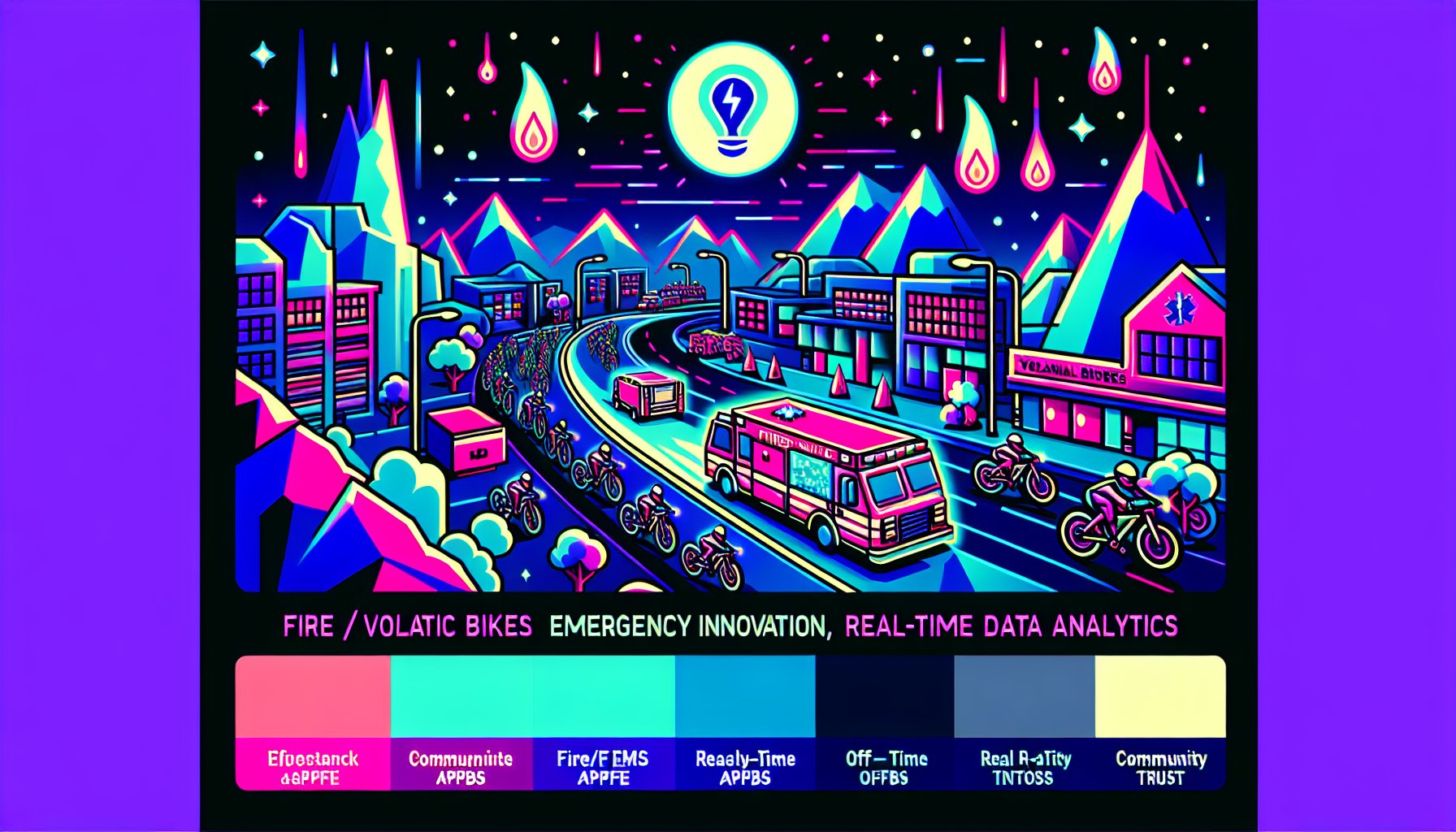
Riding the Flames: How Fire/EMS APB Revolutionizes Emergency Response with Volcanic Bikes
In the fast-paced world of emergency response, clinging to tradition is like trying to put out a fire with a water pistol. As cities swell and natural disasters become more frequent and severe, speed and innovation are the new dance partners of disaster management. Enter Volcanic Bikes, a game-changer in the Fire/EMS Automated Public Branch (APB) universe. These electric bikes, agile as cats and speedy as gossip, are turning the chaotic ballet of first response on its head.
Picture this: a city block, teeming with life, suddenly frozen by panic as a fire erupts in a high-rise. While fire engines languish in gridlocked traffic, Volcanic Bikes dart through like nimble heroes in a comic book, reaching scenes previously thought inaccessible. In a recent urban study, these bikes reached fiery battlefields a whole ten minutes ahead of their lumbering truck counterparts. In a world where every second matters, this is nothing short of revolutionary.
But let’s not just toot the horn for speed. The integration of Volcanic Bikes with the Fire/EMS response system also aligns beautifully with the ideals outlined by the Department of Homeland Security. The rapid response capability is crucial, especially when emergencies demand immediate medical attention or quick fire containment. This mirrors FEMA’s focus on adaptability and innovation in crisis management. By embracing Volcanic Bikes, agencies are not just accelerating response times; they’re embodying the spirit of modern emergency response, quick, nimble, and clever.
And let’s not forget tech. These bikes are more than just two wheels and a frame; they’re equipped with advanced communication systems that keep responders in the loop with dispatch and other units. This tech harmony fosters teamwork, enabling well-coordinated rescue missions. The FirstNet Health and Wellness Coalition supports this initiative, emphasizing the critical nature of efficient communication tools for first responders.
The revolution doesn’t end there. These bikes aren’t just for emergencies; they’re also ambassadors of public safety education. Fire and EMS teams on Volcanic Bikes can engage in outreach and educational programs, building community ties and teaching fire safety and emergency preparedness. It’s a proactive stance that saves lives and builds trust between communities and their protectors.
In essence, the debut of Volcanic Bikes in the Fire/EMS APB framework is a seismic shift in emergency response strategy. By leveraging technology, agility, and innovation, these bikes are redefining the first responder playbook. As urban landscapes continue to evolve, embracing innovations like Volcanic Bikes will be key to bolstering safety and community well-being.
1. Igniting the Future: The Birth of Fire/EMS APB
We’re living in an age where emergency response is no longer playing the same old tune. The Fire/EMS Automated Personnel Board (APB) is here to rewrite the symphony of crisis management, harmonizing technology with the urgent needs of public safety in a digital-first world. As cities grow and disasters proliferate, the demand for streamlined, effective response systems is undeniable.
The Fire/EMS APB is a love child of technological advancement and the urgent need to optimize resource allocation and personnel management. It recognizes that the old methods were about as effective as a chocolate teapot in a heatwave. Now, with real-time data analytics and cutting-edge communication platforms, the APB is transforming emergency response from a slow waltz to a quickstep.
Imagine a massive wildfire threatening a densely populated area. With old-school dispatch methods, it’s all too easy for chaos to reign. But with the APB’s sophisticated algorithms, resources are deployed swiftly and effectively, ensuring personnel and equipment hit the right notes at the right time. This not only speeds up response times but ensures that every fire is met with the right beat of resources.
Moreover, the APB fosters collaboration among emergency services like a maestro conducting an orchestra of crisis responders. Where communication was once as tangled as last year’s Christmas lights, APB now allows for a seamless exchange of information. The FirstNet Health and Wellness Coalition epitomizes this collaborative spirit, bringing together diverse organizations focused on the well-being of first responders. When networks work in synergy, communities benefit.
Ultimately, the birth of the Fire/EMS APB is more than a tech upgrade; it’s a vision for a future where emergency response is swift, coordinated, and fully equipped to handle modern-day chaos. Lessons from its implementation will guide future innovations, ensuring community safety remains a top priority. Through this lens, the Fire/EMS APB is not just a tool, it’s a beacon of hope and efficiency in a world where every second counts.
2. The Tactical Turbo: Speed and Maneuverability in Urban Landscapes
In emergency response, where time ticks louder than a drum at dawn, speed weds maneuverability to create a powerful duo. Volcanic Bikes, with their Tactical Turbo zeal, are here to transform outcomes in urban landscapes. Imagine navigating crowded streets, tight alleyways, and congested intersections, not in a hulking fire truck, but on a bike more agile than a cat on caffeine.
Picture a bustling city in crisis, a high-rise inferno, a heart-stopping medical emergency, or a chaotic traffic pile-up. Conventional emergency vehicles, despite their tech, often get stuck in traffic’s sticky web. But the Tactical Turbo lets first responders glide through obstacles with the grace of a prima ballerina, reaching emergencies swiftly and enhancing response efforts.
Consider an urban marathon, where legions of runners swarm the streets. In the event of sudden cardiac distress, seconds matter. Traditional vehicles might struggle to thread through the sea of spectators and barricades. However, a paramedic on a Tactical Turbo can weave through, reaching the patient in minutes. This rapid response can be the difference between life and death, underscoring the critical role that agility plays in emergencies.
The urban landscape is a constantly evolving beast, with new buildings, burgeoning neighborhoods, and shifting traffic patterns. The Tactical Turbo approach is not just about vehicles; it symbolizes a proactive mindset in emergency management. By embracing this approach, cities enhance preparedness, ensuring responders can tackle unpredictable environments with confidence.
The Tactical Turbo is more than a ride; it’s a revolution in how urban challenges are met. This shift fosters a culture of efficiency, empowering responders to act swiftly and decisively, ultimately leading to better outcomes for the communities they serve. As cities grow, the ability to respond effectively is more crucial than ever, with the Tactical Turbo standing at the vanguard of this evolution.
3. Connected in Crisis
In the world of emergency response, tech isn’t just an accessory, it’s a lifeline. Real-time data analytics are reshaping how firefighting and EMS dance with disaster. It’s not just about having information; it’s about transforming data into life-saving decisions in seconds that matter most.
Imagine a fire blazing through a densely-packed neighborhood. Responders aren’t just armed with hoses and axes; they have real-time data feeding them traffic conditions, weather patterns, and the locations of trapped residents. Thanks to the Fire/EMS APB, these analytics guide responders like a GPS for chaos, enabling swift, precise action.
Say a 911 call comes in, a fire in a bustling urban hub. The system analyzes historical data to predict resources needed, perhaps suggesting extra rescue units based on past casualties in similar scenarios. As responders weave through urban mazes, real-time updates guide them on the quickest routes, slicing response times with surgical precision.
Moreover, real-time analytics enhance communication across agencies, creating a unified command structure. In a multi-agency disaster response, shared data ensures everyone sings from the same hymn sheet, adapting strategies based on the latest intelligence.
The FirstNet Health and Wellness Coalition also uses real-time data to monitor responder health, protecting the physical and mental well-being of those in the field. Wearable devices send biometric data back to base, enabling proactive health monitoring during prolonged incidents.
Real-time data analytics are not just transforming operations; they’re connecting responders, streamlining efforts, and enhancing the life-saving efficiency of emergency teams. As we advance, building on these technological leaps will ensure emergency services are not merely reactionary but proactive, ready to tackle crises with unparalleled clarity. This innovation forges a stronger safety net for communities, one crisis at a time.
4. Community First: Building Trust with Transparent Communication
In emergency response, trust isn’t a nice-to-have; it’s the bedrock of community relations. Volcanic Bikes understands that transparent communication is the linchpin of trust-building. When disaster strikes, community perception of their fire and EMS departments hinges on the clarity and honesty of information shared. Transparent communication signals a commitment to integrity, respect, and responsibility, is vital for confidence in crises.
Consider a wildfire encroaching on neighborhoods, the fire department’s task is daunting. They must manage evacuations and allocate resources under immense pressure. Community trust hinges on clear instructions about evacuation routes, safety measures, and real-time updates on the fire’s progress. Open, consistent communication through social media, public announcements, and community meetings reassures residents that their safety is the top priority, fostering partnership between communities and responders.
The FirstNet Health and Wellness Coalition exemplifies how community engagement can enhance this relationship. By prioritizing responder health and wellness, the coalition signals that community safety is as important as responder well-being. Seeing emergency personnel supported and well-resourced reinforces positive perceptions, showing that responders are dedicated advocates for both community safety and their own health.
Building trust through transparent communication requires a proactive approach, with regular community assessments, public forums, and feedback consideration. Modern communication platforms ensure that all voices, especially those of the community, are heard and considered in decision-making processes. Utilizing social media for updates or holding town hall meetings where residents voice concerns and suggestions can solidify these relationships.
Ultimately, transparent communication transforms the emergency response landscape. When communities feel genuinely involved, they’re more likely to cooperate and support responders during crises. This partnership enhances response efficiency and creates lasting trust-based relationships. Embracing communication’s pivotal role in emergency management strengthens communities, making them safer and more united.
5. Training Days
In the ever-evolving emergency services landscape, integrating advanced technologies and methodologies into training is crucial for maintaining responder readiness. “Training Days” aren’t just routine; they’re the crucible for shaping first responders to meet the demands of the Advanced Public Safety (APB) paradigm.
Training Days provide a critical junction where responders engage in scenario-based drills simulating real emergencies, learning new tools and systems. When incorporating cutting-edge communication tech like FirstNet, participants immerse in mock scenarios utilizing these resources under time constraints. This hands-on practice is invaluable, familiarizing responders with new communication device features like enhanced GPS tracking and real-time data sharing, facilitating quicker decisions during real crises.
Training Days emphasize inter-agency collaboration, spotlighting the importance of seamless coordination. For instance, a multi-agency disaster response scenario requires fire, EMS, and law enforcement units to work together. These simulations deepen understanding of roles within a larger response framework, developing trust and navigating complexities of joint operations. This is crucial in APB’s evolving systems, reliant on integrated efforts across various disciplines.
Moreover, mental and physical well-being of responders is acknowledged as vital to preparedness. Initiatives like the FirstNet Health and Wellness Coalition ensure responders are equipped with technical knowledge and supported in physical and mental health. Training Days incorporate fitness assessments and resilience training, fostering a wellness culture that empowers responders to manage psychological stresses accompanying emergencies.
Training Days are reminders of emergency response’s evolving nature. They represent commitment to excellence, adaptability, and resilience in a demanding field. Through comprehensive training, responders are better prepared to meet tomorrow’s challenges, equipped with knowledge, skills, and mental fortitude to enhance emergency response efficiency amid adversity. The journey to seamless APB protocol integration begins here, where preparation meets practice, maximizing life-saving potential.
6. Going Green
In a world increasingly attuned to environmental concerns, embedding sustainability within emergency response operations is crucial. For organizations like Volcanic Bikes, committed to community impact and innovative cycling solutions, harmonizing emergency response efficiency with eco-friendly initiatives is not just a trend; it’s a vital evolution.
Sustainability leaders outside emergency services, like the FirstNet Health and Wellness Coalition, recognize the importance of promoting health, wellness, and sustainability. Just as this coalition arms responders with community-protection tools, emergency response sectors can adopt green energy solutions enhancing efficiency. Electric vehicles reduce carbon emissions and operational costs. Imagine a fire department deploying electric fire trucks with battery technology enabling rapid response minus the diesel engine noise and pollution. This could revolutionize urban emergency response, where pollution and congestion often delay aid.
Utilizing renewables to power emergency facilities creates sustainable operations. Solar panels on station rooftops reduce grid reliance, complemented by wind turbines. This dual approach mitigates ecological footprints and ensures resource availability during crises, especially after natural disasters compromising conventional power. Such strategies align with regulatory frameworks like the 28 Code of Federal Regulations Part 23, advocating for modern, eco-friendly practices in preparedness and response.
Volcanic Bikes draws inspiration from these practices, designing community-oriented bikes for recreation and emergencies. Imagine volunteers on Volcanic Bikes quickly assisting in evacuations or delivering supplies during disasters. Such collaborations leverage community resources while promoting green transport solutions. Sustainability isn’t just reducing waste or emissions; it’s rethinking resources and engaging communities in emergency solutions.
Integrating sustainability into emergency response is essential. It ensures resource longevity while boosting efficiency for front-line responders. Prioritizing green initiatives prepares us not just for today’s emergencies, but also for climate change challenges, guaranteeing a healthier planet for future generations.
7. From Fire to Flood
In emergency response, versatility is the name of the game, and Advanced Public Safety (APB) technology is redefining it. Originally crafted for fire management, APB has evolved into an indispensable tool for flood response, disaster recovery, and more. This technology is like a Swiss Army knife for first responders, helping them adapt to a multitude of situations with ease.
Imagine a flood emergency. Traditional strategies often mean a rigid communication or resource allocation hierarchy, leading to delays and mixed signals. But APB technology equips responders with real-time data and analytics that revolutionize emergency management. By integrating GIS and advanced modeling, first responders gain access to up-to-date information on flood zones, evacuation routes, and resource allocation. This adaptive approach not only expedites evacuations but also allows efficient allocation of medics and supplies, ensuring timely assistance to the most vulnerable communities.
Beyond flooding, APB is a bridge connecting emergency services for collaborative responses in multifaceted emergencies. During a recent wildfire threat to urban areas, fire units and EMS relied on APB for data-sharing capabilities. The technology provided real-time updates on fire strategy and medical needs, ensuring resources were strategically deployed where needed most. Coordinated action exemplifies modern emergency response, where technology empowers responders to face diverse challenges head-on.
As we confront future demands, adaptability in emergency management is vital. APB technology integration isn’t just a trend; it’s a necessity addressing climate change complexities, urban development, and population density. With organizations like the FirstNet Health and Wellness Coalition supporting first responders’ physical and mental wellness, APB’s operational efficiency ramifications extend to community resilience and safety. In this preparedness and response dance, APB technology is a lifeline ensuring a safer tomorrow for all.
8. Beyond the Call: Stories That Matter
In emergency response, the stories from crisis resolutions often resonate deeply with both responders and communities. Take Sarah, a volunteer firefighter whose dedication was tested during a wildfire in her small town. Equipped with Fire/EMS APB technology, she wasn’t just battling flames but communicating in real time with a network of first responders via advanced situational tools. APB’s streamlined communication enabled Sarah’s team to allocate resources effectively, focusing on evacuating vulnerable residents and protecting homes.
Consider a multi-vehicle accident on a busy interstate. First responders faced both medical emergencies and traffic management. Fire/EMS APB provided real-time traffic data for swift perimeter establishment, allowing paramedics to treat victims safely. Despite chaos, agency collaboration through APB’s shared platform saved lives and prevented further injuries. The community rallied around responders, acknowledging their bravery.
The stories within the FirstNet Health and Wellness Coalition highlight a holistic approach to responder welfare beyond immediate calls. Addressing the physical, emotional, and psychological challenges, the coalition ensures responders are equipped and supported in overall well-being. It fosters a care culture in fire and EMS services, enabling responders to share experiences, learn, and find solace in community support.
These narratives illustrate how the Fire/EMS APB enhances efficiency and cultivates community and shared purpose among responders. They remind us that every call is more than duty; it’s a testament to resilience and commitment. As technology evolves, these human stories woven with innovation showcase the profound impact of efficient emergency response systems in safeguarding lives.
9. The Road Ahead: Challenges and Innovations on the Horizon
Looking to emergency response’s future, particularly in fire and EMS realms, the landscape is promising yet challenging. Technological, policy, and community engagement innovations are forging new paths, but the road isn’t without bumps. At the heart of this evolution lies the need for adaptable, resilient systems prioritizing first responders’ and communities’ well-being.
A looming challenge is integrating advanced communication systems like FirstNet for responders. While FirstNet offers streamlined communication, it necessitates agencies to prioritize cybersecurity. As systems become more sophisticated and interconnected, they present new vulnerabilities. The challenge for fire and EMS agencies is maintaining a balance between efficiency and cybersecurity, ensuring vital communications remain secure yet accessible during crises.
Beyond technology, enhanced health and wellness programs for responders are crucial. The FirstNet Health and Wellness Coalition exemplifies a proactive mental and physical health approach. Despite initiatives, mental health stigma is a formidable barrier. As programs evolve, comprehensive outreach to encourage open mental well-being conversations is necessary, aiming to destigmatize these topics within the industry.
Policy changes also loom, particularly concerning DHS/FEMA regulations impacting protocols and funding. Fire and EMS agencies must stay vigilant and adaptable to evolving regulations. A proactive strategy involves staying informed, participating in discussions and advocacy, ensuring responders’ voices influence regulations affecting their work.
Data-driven decision-making showcases potential and hurdles. Analyzing vast data offers unprecedented response strategy optimization opportunities. But agencies must invest in training personnel to use data effectively. Ignoring experiential knowledge could marginalize invaluable insight seasoned responders bring to emergencies.
Collaboration will be key in navigating this complex landscape, the partnership between public safety organizations, tech developers, and community stakeholders is vital for pooling resources, sharing knowledge, and cultivating innovation. Together, they can address not just symptoms but root causes of challenges facing the emergency response community today.
In summary, the road ahead is challenging yet ripe with transformation and growth opportunities. Fire and EMS response evolution hinges on a multifaceted approach embracing technology while fostering resilience, health, and collaboration. Policy-makers and practitioners must navigate these challenges with foresight, ensuring emergency response is efficient, compassionate, and sustainable.