
 My Account
Fire Ems Apb Emergency Response Bike With Gear Ready Design
5 Reasons Why the Emergency Response Bike is Essential for Fire/EMS Teams
Discover the transformative impact of emergency response bikes on fire and EMS teams. From unmatched speed and agility to eco-friendliness and community engagement, learn why these bikes are essential in modern emergency care.
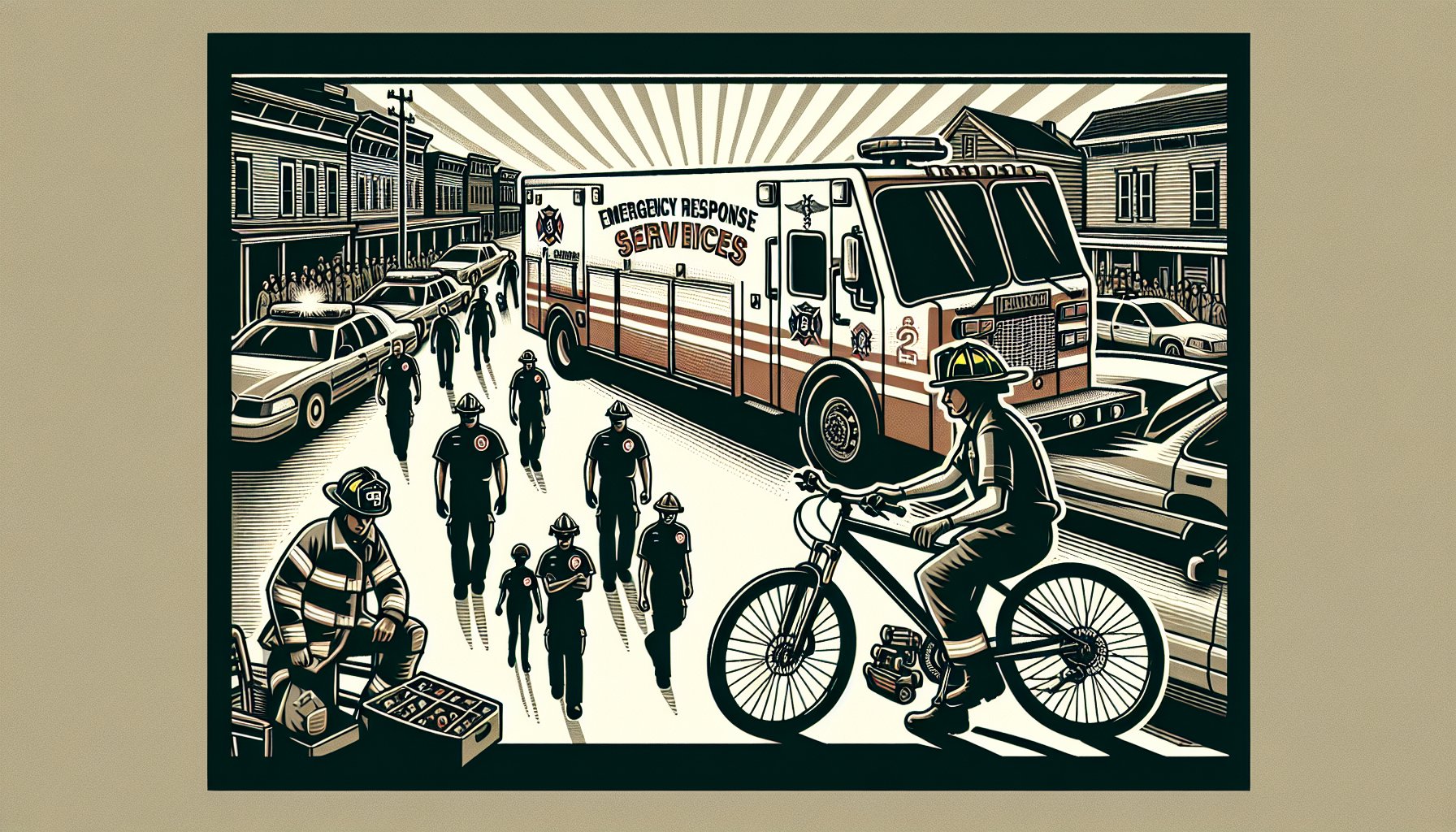
5 Reasons Why the Emergency Response Bike is Essential for Fire/EMS Teams
TL;DR
Emergency response bikes are revolutionizing the way fire and EMS teams navigate urban landscapes. They bring unmatched speed and agility, allowing first responders to quickly reach people in need, even through the most crowded areas. These bikes don’t just surpass traditional vehicles in tight spots, they also prove effective across challenging terrains. They’re eco-friendly, cost-effective, and help bolster community engagement. Ultimately, they represent a transformative force that modernizes emergency care while fostering deeper community connections.
1. Speed Meets Agility
In the fast-paced world of emergency response, speed and agility aren’t just nice-to-haves, they’re lifesaving. Enter the humble yet mighty emergency response bike. Picture this: A bustling city teeming with festival-goers and gridlocked traffic. In this scenario, traditional fire trucks and ambulances might as well be moving through molasses. But our trusty bike unit? It’s already weaving through the chaos, closing in on the emergency with the finesse of an urban ninja.
Take the South Metro Fire Rescue (SMFR), for instance. Their bike units can dart through pedestrian-heavy areas, reaching those in need before an ambulance even gets out of the parking lot. In one dramatic scene, a cardiac arrest victim was stabilized within minutes thanks to a bike-mounted paramedic. Talk about pedal power saving the day.
And it’s not just about raw speed. The City of Miami’s Fire-Rescue Department has been using bike units to not only zip through crowded areas but also build rapport with locals. Responding on two wheels fosters a sense of community that bulky fire engines can’t match. These bikes aren’t just about getting there fast, they’re about being there, period.
2. Terrain Warriors
Venture off the beaten path, and you’ll find bikes thriving where traditional vehicles falter. Crowded festivals? Check. Disaster areas with debris-strewn streets? No problem. These bikes turn obstacles into opportunities for quick access.
Imagine the chaos of a festival or sports event, traditional response vehicles stuck in a sea of humanity. The SMFR and Miami Fire-Rescue bike units slide through effortlessly, delivering aid where it’s needed most. Whether it’s a muddy trail or a rocky hillside, these two-wheeled warriors ensure no terrain is too tough to tackle.
Bikes also enhance public relations, doing more than simply responding to emergencies. They educate, hydrate, and engage with the community, building trust while saving lives. It’s like having your emergency cake and eating it too.
3. Cross-Training for Excellence
Fire and EMS teams aren’t just getting fit; they’re getting formidable. The integration of bikes into cross-training regimens makes first responders more adaptable, physically and mentally prepared for whatever comes their way.
The SMFR epitomizes this approach, with personnel rotating through firefighting, emergency medical duties, and, of course, bike patrols. This cross-training doesn’t just breed versatility; it breeds camaraderie and resilience. Miami’s first responders even turn cycling into a camaraderie-building triathlon, proving that teamwork makes the emergency dream work.
Plus, biking is a fantastic stress-reliever. It’s like therapy but with helmets and adrenaline.
4. Green Solutions: The Eco-Friendly Edge
As the world moves toward sustainability, emergency services are following suit. Switching from gas-guzzling vehicles to pedal-powered bikes is a big step in the right direction. Beyond being efficient, these bikes are eco-warriors, slashing emissions and promoting a cleaner environment.
SMFR and Lynchburg Fire Department are at the forefront, showing that even in emergencies, going green is possible. With their bikes decked out in medical gear, they also serve as mobile green ambassadors at community events, reminding everyone that saving the planet starts with simple choices.
5. Cost-Effectiveness
Now, let’s talk dollars and cents. Emergency response bikes aren’t just about being quick and green, they’re also financially savvy. In a world where budgets are as stretched as a firefighter’s hose, these bikes provide a cheaper alternative to traditional vehicles.
SMFR and Lynchburg Fire Department are examples of departments cutting costs while boosting efficiency. By replacing some vehicle responses with bikes, they save on fuel, maintenance, and other expenses, reallocating funds to critical areas like training or community health initiatives. That’s what we call budget-friendly brilliance.
6. Community Engagement
Picture this: a firefighter zipping through town on a bike, stopping to chat, educating the public, and building trust. Bikes transform first responders from distant heroes into accessible allies. When people see these bikes in action, they’re reminded that their safety is truly prioritized, and they’re more likely to embrace the team as part of the community.
Events? No problem. Bikes make first responders approachable, breaking down barriers and fostering open dialogue. They are not just bikes; they’re bridges, the kind that connect emergency teams with the people they serve.
7. The Future of Emergency Care
As we pedal into the future, emergency response bikes are leading the charge with cutting-edge technology. Imagine smart bikes with GPS, real-time hospital communications, and even drones. These aren’t just bikes; they’re high-tech lifelines.
The City of Miami’s Fire-Rescue is already utilizing these bikes to cut through traffic like a hot knife through butter. As technology integrates further, the potential for enhanced patient care and speedier response times is enormous.
8. Stories from the Saddle
Every bike ride tells a story, often one of heroism and community connection. Whether it’s SMFR weaving through a festival or Miami rescuing a stranded hiker, these bikes prove time and again that they’re more than just a means of transport. They’re lifelines, rolling agents of change and goodwill.
9. Training Wheels to Professionalism
Creating a bike-savvy team starts with commitment. From South Metro to Lynchburg and beyond, emergency services know that proper training is crucial. This isn’t just about riding a bike, it’s about embracing a new culture of professionalism and preparedness.
10. Paving the Path
Integrating bikes into fire and EMS teams isn’t just about new wheels; it’s about new ways of thinking. By prioritizing training, embracing technology, and engaging communities, departments are setting the stage for a future where emergency services are faster, greener, and more connected than ever.
In conclusion, emergency response bikes are no longer a futuristic concept, they’re a present-day game-changer. Whether it’s zipping through traffic, climbing tough terrains, or building community bonds, these bikes redefine how we deliver emergency care. So, here’s to the two-wheeled revolution: may it be swift, sustainable, and deeply synced with the communities it serves.