
 My Account
Electric Vs Traditional Patrol Bikes
What to Know Before Choosing Between Electric and Traditional Patrol Bikes
What to Know Before Choosing Between Electric and Traditional Patrol Bikes: Explore the benefits, costs, and community impact of each option to make an informed decision that enhances public safety and officer comfort.
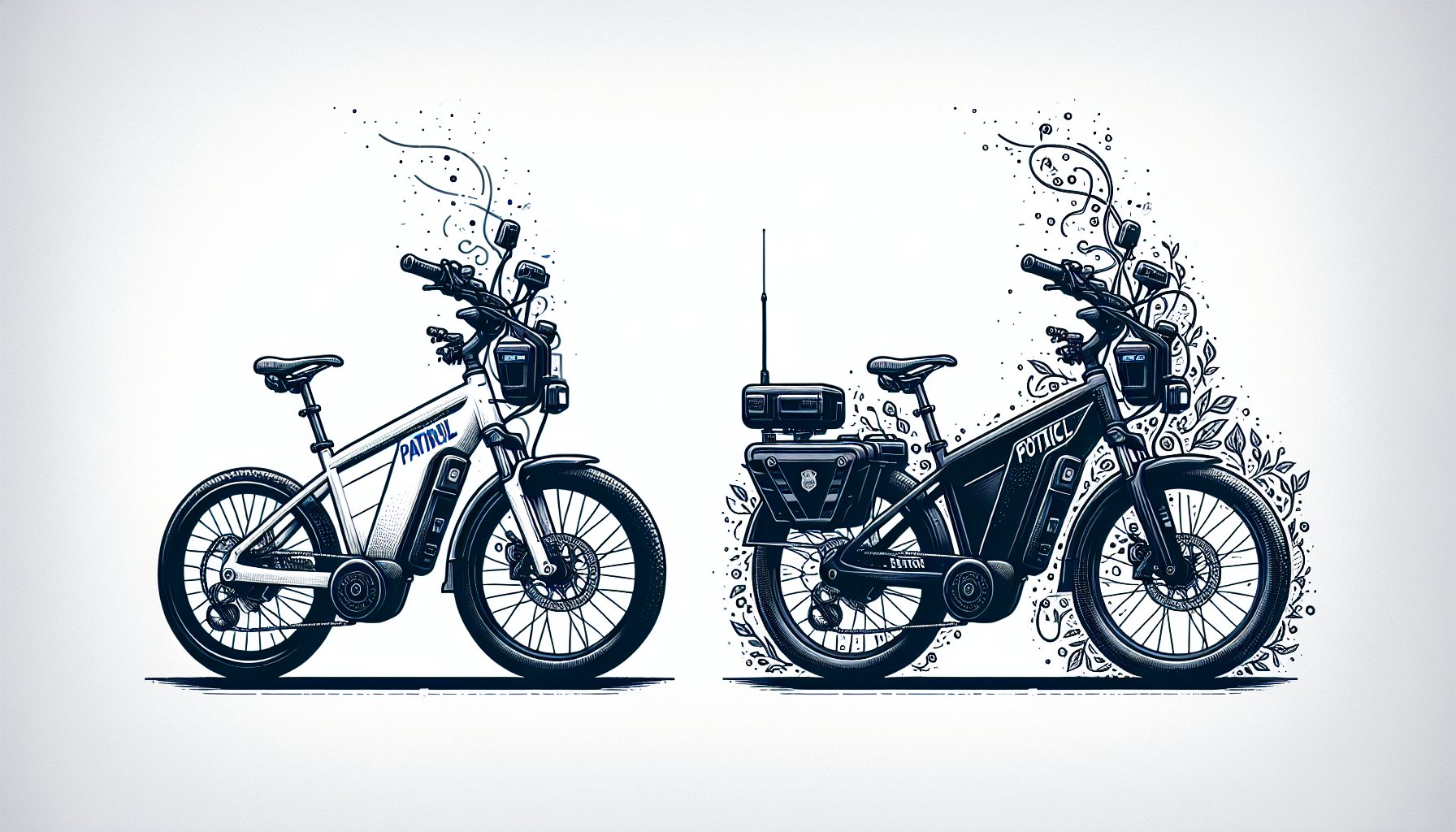
TLDR: Electric [vs. Traditional Patrol](https://volcanicbikes.com/articles/electric-vs-traditional-patrol-bikes/electric-patrol-bikes-vs-traditional-patrol-bikes-a-comprehensive-comparison-for-law-enforcement) Bikes
Choosing between electric and traditional patrol bikes isn’t just a matter of wheel size; it’s about revolutionizing both police work and community trust. Electric bikes zip through urban sprawls with the power of sustainability, while traditional bikes keep officers fit and approachable. Join us as we navigate the cost considerations, ergonomic comforts, and the battery life conundrum, ultimately highlighting how the right choice can enhance public safety and community ties.
Wheels of Change: Pedaling into a Green Future
In an age where cities are sprinting toward greener pastures, the humble patrol bike has shifted gears from niche to necessity. Forget what you know about bicycles as mere toys or exercise apparatuses; they’ve grown up. And with e-bikes stealing the limelight, these green machines are not just saving the environment, they’re doubling down on enhancing community relations. For law enforcement, this isn’t just about swapping out gas guzzlers for pedal power; it’s about a shift to a more approachable and sustainable form of policing.
Imagine officers gliding past gridlocked traffic, their electric motors humming rather than roaring. These e-bikes, like those offered by Volcanic Bikes, can hit speeds of 16 to 20 miles per hour, making response times faster and the ride much kinder to our planet. And let’s not forget the boost to aerobic fitness; officers pedal their way to better health, all while building more trust with the community, a bike-bound officer is just a friendly conversation away.
The Green Factor: Eco-Impact and Sustainability
Alright, so let’s talk about the eco-credentials that set e-bikes apart. Beyond the fact that they don’t emit tailpipe fumes, e-bikes are the poster child for energy efficiency. Where a car chomps through over 30 kilowatt-hours to cover 100 miles, e-bikes sip lightly on less than 2 kilowatt-hours. For municipalities aiming to pinch pennies and cut carbon, these numbers are music to the ears. And with their positive impact on public health and congestion, e-bikes might just be the unsung heroes in the climate change narrative.
To put a bow on it, e-bikes don’t just shrink your carbon footprint; they supercharge a cultural shift toward sustainable commuting. Riding one isn’t just an exercise in eco-consciousness, it’s a statement, a pledge for a greener future that starts with each pedal stroke.
The Cost Conundrum: Expenses Beyond the Price Tag
If you’re smitten by the allure of e-bikes, chances are the sticker shock might leave you stuttering. But look beyond that initial price tag, and the financial story changes. The hidden savings in maintenance, the thrifty cost of electric charging, and potential tax incentives all work together to make e-bikes a savvy investment. Plus, fewer trips to the mechanic mean more time for what truly matters, patrolling your beat and engaging with the community.
In a nutshell, while the upfront investment may seem steep, the long-term gains are undeniable. It’s a financial win-win that aligns sustainability with fiscal responsibility.
Ride and Resilience: Performance Under Pressure
It’s a high-stakes game when you’re out on patrol, and your ride has got to keep up, not just with you, but the demands of your environment. Enter the showdown between e-bikes and traditional bikes. Picture chasing a suspect through a crowded street on an e-bike, the reliable motor kicks in, giving you that extra push while you dodge and weave through the crowd. It’s performance under pressure, redefined.
Now, traditional bikes are no pushovers either. They offer a pure cycling experience that keeps officers in tip-top shape, albeit without the speed boost from an electric motor. Yet, both have their durability challenges, whether it’s battery health or wear and tear from urban miles. The key is finding the right tool for the job.
Rider’s Choice: Ergonomics and Officer Comfort
An officer’s bike isn’t just a ride; it’s practically an extension of their uniform. Comfort isn’t a luxury, it’s a necessity. Enter e-bikes with their ergonomic designs: adjustable this, padded that, and grips just right for those long patrol hours. By reducing physical strain, e-bikes let officers focus on what matters: staying sharp and attentive.
Traditional bikes may lack these creature comforts but offer a total-body workout that keeps officers fit, alert, and connected to the road. When it comes to comfort and functionality, the choice between electric and traditional comes down to an officer’s needs and mission.
The Electric Dilemma: Battery Life and Reliability
Batteries, darling, batteries. They’re the lifeblood of electric bikes, and savvy choices here make all the difference. While most e-bike batteries last between 20-60 miles per charge, you don’t want to find yourself stranded mid-patrol. The reliability of these batteries is as crucial as the electric boost they provide, especially in urgent situations. A dead battery could compromise not just your route but your team’s effectiveness.
Community Outreach: Human Connections on Two Wheels
Bicycles aren’t just tools of the trade; they are trust on two wheels. Officers on e-bikes are more approachable, more interactive, and less intimidating than those behind a steering wheel. It’s an invitation for meaningful dialogue, fostering a culture of policing that’s as responsive as it is responsible.
With e-bikes, officers can become fixtures in community life, joining local events and attending neighborhood gatherings, all while promoting a sustainable lifestyle. It’s where policy meets pedal, building a foundation of trust and cooperation.
Future Proofing Patrol: Innovations on the Horizon
Technological advances are turning electric bikes into cutting-edge tools. Picture bikes with AI for fatigue predictions, solar charging stations across cities, and advanced materials for feather-light frames. The future of patrol bikes isn’t just futuristic; it’s already here, transforming law enforcement into an agile, eco-friendly force.
Navigating the Decision: A Tailored Approach
Making the right choice between e-bikes and traditional bikes isn’t just a logistical decision, it’s a departmental manifesto. Assess your community’s needs, talk to your officers, and consider the strategic goals of your patrol. Whether it’s the speed of an e-bike for urban areas or the straightforward reliability of traditional models for rural settings, the right choice should enhance your mission and resonate with the values of your department.
In a world yearning for sustainable solutions, the choice of wheels is a statement of intent. Whether it’s power-assisted or pedal-powered, your patrol bike is more than just a ride, it’s a symbol of commitment to community, responsibility, and the future.