
 My Account
Electric Vs Traditional Patrol Bikes
FAQs: What Are the Key Differences Between Electric and Traditional Patrol Bikes?
Explore the essential differences between electric and traditional patrol bikes. Discover how each option affects ride feel, operational costs, and community engagement. FAQs: What Are the Key Differences Between Electric and Traditional Patrol Bikes?
FAQs: What Are the Key Differences Between Electric and Traditional Patrol Bikes?
Choosing the right patrol bike is more than just a personal preference, it’s about aligning with your department’s unique needs, the terrain, and your community engagement goals. Between traditional pedal-powered bikes and their electric counterparts, there’s a whole world of difference waiting to be explored. Let’s dive into the nitty-gritty.
Pedal Power vs. Electric Surge: Understanding the Core Mechanics
At the heart of this choice are the very mechanics that propel these bikes forward. Traditional bikes, those trusty old steeds, rely solely on your leg power. It’s a raw, unfiltered connection to the terrain, a relationship that’s as much about the journey as the destination. Every hill climbed and every gust of wind battled is a testament to human endurance and spirit.
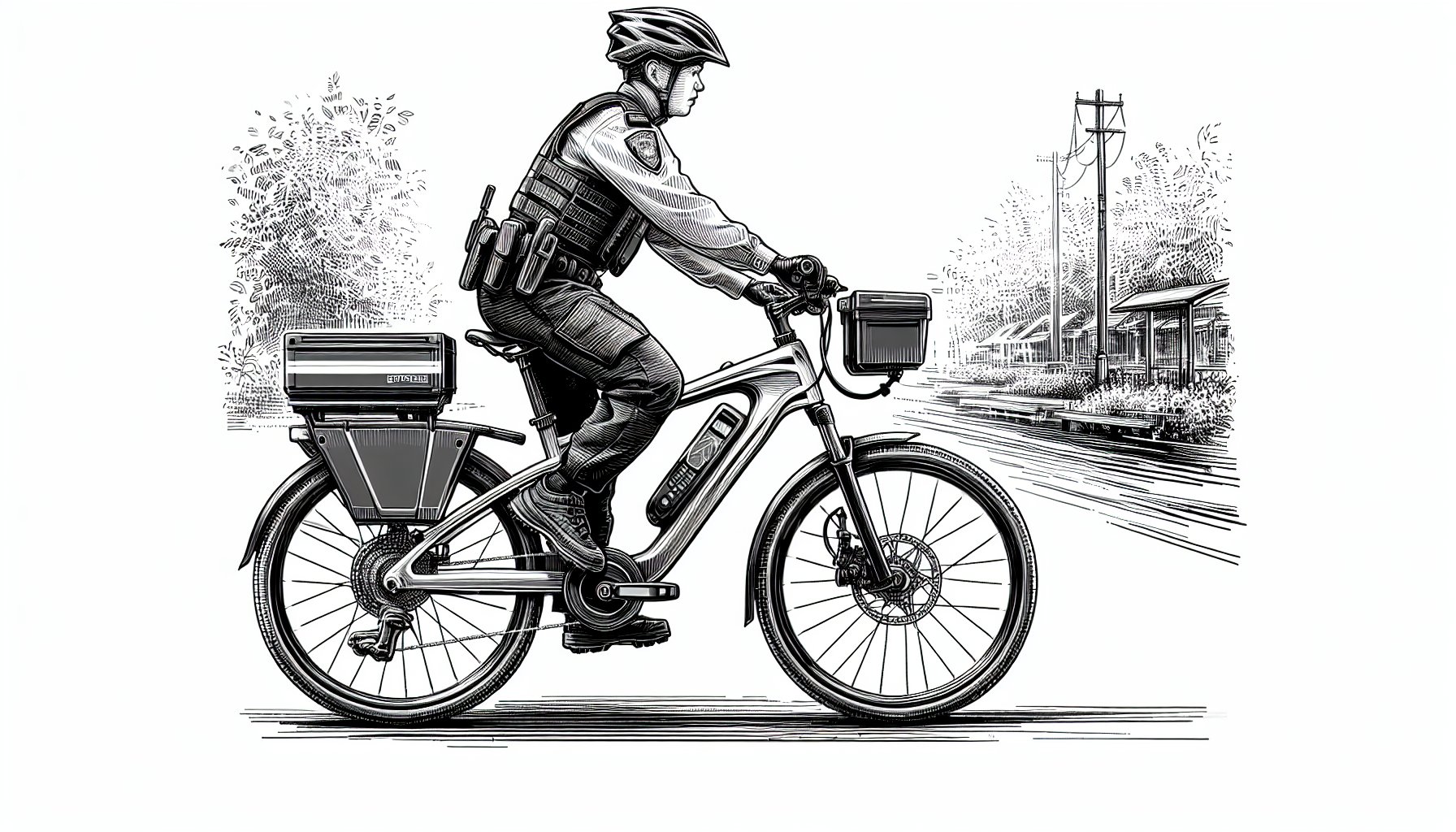
Switch gears to electric bikes, or e-bikes, and you get a modern twist on this classic endeavor. With electric motors that lend a helping hand, e-bikes offer relief on long commutes and challenging terrains, making cycling accessible to more people. You still pedal, think of it like a duet between you and your trusty motor, except now it has a chorus that sings along as you conquer hills with ease.
Ride Feel: The Battle of Two-Wheel Experiences
The soul of cycling lies in the ‘ride feel.’ On a traditional bike, it’s all about the road’s texture, the wind’s whisper, and that satisfying burn as you pedal. It’s intimate and rugged. But let’s be real, those steep climbs can turn from thrilling to daunting pretty quickly.
Enter e-bikes, the disruptors of this narrative. They redefine cycling with a whispering electric motor that adds an extra dash of oomph to your ride. Imagine gliding up a hill as though gravity decided to take a coffee break. For law enforcement, this means a nimble switch from crowd to crowd with an agility that turns heads, not just because of the bike’s sleek design, but for its silent approachability.
Operational Costs: Getting More Bang for Your Buck
Now, here’s where it gets interesting. Traditional bikes might seem budget-friendly with low upfront costs. But don’t be fooled; the hidden expenses of maintenance and the physical toll on officers can tally up. Electric bikes might require a bigger initial investment, but their operational costs are surprisingly low, just a few cents to charge the battery.
Moreover, e-bikes cut out the need for backup vehicles during busy events, slimming down fleet expenses. So, while traditional bikes keep you fit, e-bikes keep the budget fit, and your officers fresh enough to engage with the community effectively.
Sustainability in the Saddle: Eco-Friendly Patrols
Let’s talk footprints, the carbon kind. Traditional bikes already outshine gas-guzzlers, but e-bikes take it a step further by plugging into the matrix of renewable energy. Electric bikes are environmentally conscious deputies in their own right, powering through duties with zero emissions. Imagine a city where your police patrols breathe life into clean air rather than adding to its burden. That’s the green promise of e-bikes.
Training Wheels: Skillsets and Adaptation
Switching from a traditional bike to an e-bike is like swapping out an acoustic guitar for an electric one. There’s a learning curve, sure, but oh, the symphony you can create! E-bikes provide a different torque and balance experience, which requires some adaptation. It’s an upgrade that helps officers approach situations with the silent stealth of a ninja, engaging communities in ways traditional riders might envy.
Not Just for Patrol: Versatility and Beyond
E-bikes’ utility extends far beyond police patrolling. From park rangers to corporate security teams, their versatility makes them invaluable across various sectors. Offering unmatched reach and flexibility, e-bikes are set to redefine what mobility can mean in operational contexts. Whether it’s navigating crowded festivals or ensuring the security of an expansive corporate campus, e-bikes prove they’re not just a fleeting trend but a transformative movement.
Community Engagement: Pedaling Toward Trust
Patrolling isn’t just about visibility, it’s about approachability. E-bikes allow officers to glide through communities, stopping for a chat here and a smile there, breaking down barriers with every turn of the wheel. They become part of the neighborhood tapestry, threading the fabric of community trust and engagement with finesse.
Maintenance Matters: Keeping Wheels Turning Smoothly
Sure, e-bikes come with their own set of maintenance needs, from battery care to wire checks. But with this comes a level of reliability and reduced downtime that traditional bikes just can’t offer. By embracing both traditional upkeep and modern electric maintenance, departments ensure longevity and reliability, keeping officers on the move and engaged with the public.
The Future of Patrol: Innovations on the Horizon
As cities evolve, so do the tools we use. The future of patrol is poised to be electric, with e-bikes increasing operational efficiency and officer visibility. With advancements in technology and a commitment to sustainability, the new age of patrol operations is not only about speed and accessibility but also about creating a healthier, more connected community.
Choosing the Right Ride: A Decision Framework for Departments
Ultimately, the choice between traditional and electric patrol bikes is a complex one. It’s not just about speed or power; it’s about connectivity, sustainability, and strategic financial planning. By carefully considering your community’s needs, operational budget, and engagement goals, departments can select the ride that not only meets their current needs but sets them up for future success.
TL;DR
Deciding between traditional and electric patrol bikes involves weighing core mechanics, ride feel, operational costs, and sustainability. Traditional bikes offer raw, tactile experiences perfect for natural terrains, while e-bikes provide ease of use in urban settings with significant operational savings and eco-friendly benefits. Both have their places, but as we move towards a more sustainable future, electric bikes stand out for their versatility and potential to enhance community engagement and operational efficiency. It’s about choosing the right tool for the terrain, mission, and people you serve.