
 My Account
Electric Vs Traditional Patrol Bikes
Electric Patrol Bikes vs. Traditional Patrol Bikes: Which Offers More Efficiency in 2025?
Explore the efficiency of electric patrol bikes versus traditional ones in 2025. Discover how e-bikes enhance community policing while maintaining environmental sustainability. Which bike will lead the future of law enforcement?
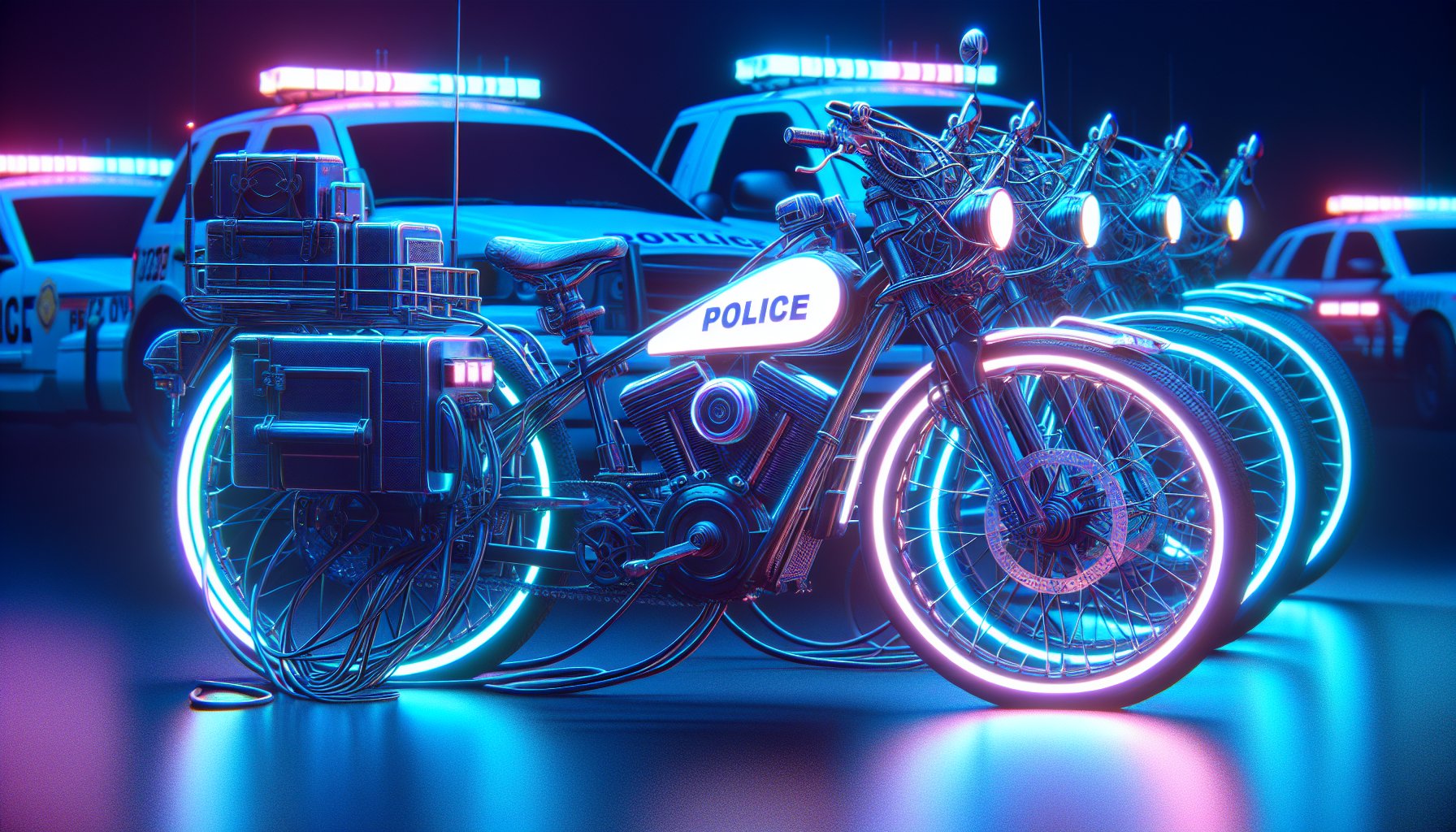
Electric Patrol Bikes vs. Traditional Patrol Bikes: Which Offers More Efficiency in 2025?
As 2025 unfolds, the world of policing is undergoing a renaissance, a sort of two-wheeled revolution. The integration of electric patrol bikes into law enforcement is fast becoming more mainstream, and it’s not just because they look flashy. Cities like Lafayette and Clarksburg are leading the charge, sometimes quite literally, toward greener, more efficient patrolling. But does this high-tech, battery-powered hustle stack up against the good old-fashioned pedal-powered patrol bikes of yesteryear? Grab your helmets; it’s time to hit the trail and find out.
Pedal-Powered Nostalgia: A Look Back
Let’s rewind to the late 19th century. Picture police officers in impeccably tailored blue uniforms pedaling through cities on bicycles, a newfangled invention that offered speed and agility no foot patrol could match. Fast forward to the rugged 20th century, and bicycles readied themselves to reclaim the urban jungle. They became essential tools for navigating bustling festivals and dense urban environments, all while reducing an agency’s carbon footprint. The bicycle patrol has always been about bridging the gap between community presence and environmental stewardship.
The Electric Evolution: E-Bikes Take Center Stage
The rise of electric bicycles, or e-bikes, has added a new dimension to patrols. No longer just for hipsters and eco-warriors, e-bikes are now front and center in police departments. Cities like Lafayette, thanks to grants like Boulder County’s Sustainability Tax, are bolstering their patrols with these silent yet swift machines. They’re a boon in pedestrian-heavy areas, snugging through crowds with a swiftness traditional vehicles can only envy.
Why e-bikes? It’s all about agility and access. These rides zip through parks, trails, and crowded events, getting officers right where they’re needed fast. Plus, the eco-friendly appeal resonates with communities increasingly mindful of their carbon footprints.
On the Beat: A Day with Officer Martinez
Officer Martinez starts his day with the quiet hum of an e-bike, not the roar of an engine. As he navigates Lafayette’s trails, he finds the e-bike not only expands his reach but also invites more community interaction. “On a bike, you’re part of the community,” he muses. At events, these bikes dance through crowds, enhancing visibility and response times without the imposing presence of a patrol car.
The Speed-Stamina Showdown
When it comes to speed and stamina, the e-bike is like a caffeinated cheetah compared to the humble, steady tortoise of traditional bikes. Need to reach an incident quickly through a packed street? An e-bike wins hands down. But for long patrols, where battery life might flag, traditional bikes still have a place. They’re the marathon runners, outlasting the sprinters of the e-bike world.
The Tech Factor: Smarts on Wheels
2025’s electric bikes aren’t just about power; they’re brainy, too. GPS tracking, mobile connectivity, and advanced battery management make these bikes more than mere transportation, they’re high-tech tools. Officers can map their beats, receive real-time alerts, and engage with their community like never before.
Green Patrol: The Environmental Edge
Electric patrol bikes boast zero emissions, a major plus in our climate-conscious era. When gas prices fluctuate, electric bikes are cost-effective and environmentally sound. They allow officers to patrol parks and community festivals without contributing to pollution, an invaluable asset in urban settings striving for cleaner air.
From the Saddle: Officer Feedback
Officers on the ground provide crucial insights into this electrifying shift. The consensus? E-bikes rock for accessing hard-to-reach areas and enhancing visibility. However, concerns about battery life and the learning curve highlight that adaptation is key. Still, the overwhelmingly positive feedback underscores a new era in law enforcement mobility.
The Price of Change: A Cost Analysis
While the upfront investment in e-bikes can raise eyebrows, the long-term savings are substantial. Lower fuel and maintenance costs mean these bikes pay for themselves over time. As battery and manufacturing technology improve, the initial sticker shock is expected to decrease, making e-bikes a savvy financial move.
Future Trends: The Road Ahead
What does the future hold for patrol bikes? Expect more departments to hop on the e-bike bandwagon. As battery tech improves and costs drop, these bikes could become standard issue, especially with their eco-friendly, community-building benefits. E-bikes represent a future where policing is about more than enforcement; it’s about connection and stewardship.
The Final Gear: Verdict Time
So, electric or traditional? The decision hinges on a department’s values and community needs. E-bikes are leading the charge towards a sustainable, efficient future, but traditional bikes still hold their own in specific contexts. The real win? A blended approach, embracing the speed of the future with the stamina of the past. Each pedal stroke moves law enforcement toward a more engaged, eco-conscious future. The ride is just beginning.
TL;DR: In 2025, electric patrol bikes leap ahead with speed and sustainability, but traditional bikes still hang tough in endurance. E-bikes excel in urban, community-centric policing, offering eco-friendly, agile patrols. As costs drop and battery tech advances, expect more departments to adopt these green machines. It’s not the end for traditional bikes, but the e-bike revolution is definitely gaining ground.