
 My Account
Electric Vs Traditional Patrol Bikes
Electric Patrol Bikes vs. Traditional Bikes: Cost Analysis for 2025 Law Enforcement
Explore the cost analysis of Electric Patrol Bikes vs. Traditional Bikes for 2025 law enforcement. Discover long-term savings, community impact, and the future of policing on two wheels.
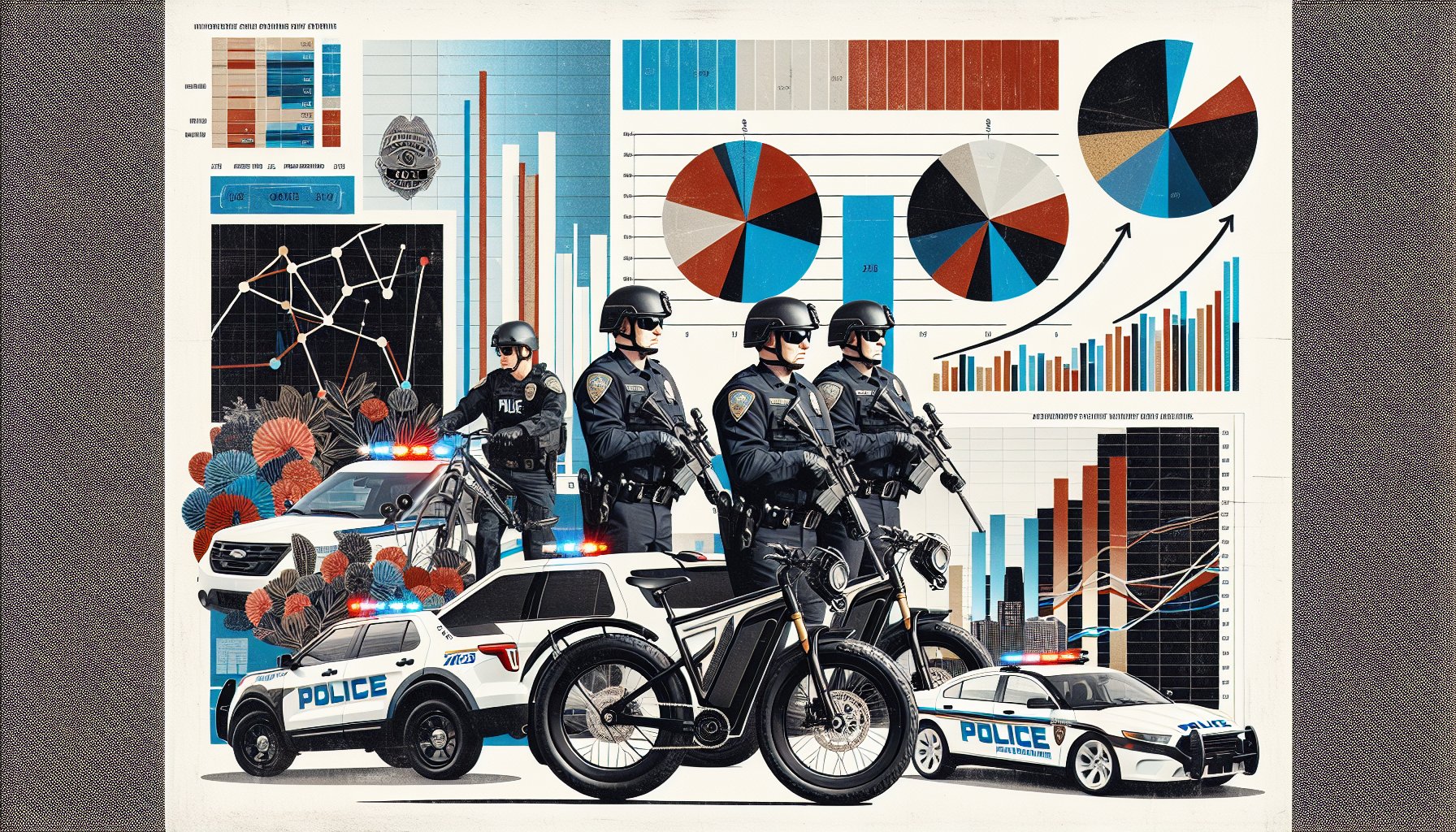
Wheels of Justice: A Cost Analysis of Electric Patrol Bikes vs. Traditional Bikes in 2025 Law Enforcement
TLDR: As 2025 looms, law enforcement agencies are caught in a head-scratching dilemma: stick to the trusty pedals of traditional bikes, or charge towards the future with electric patrol bikes? Both options come with their perks and quirks, but as we dig deeper, it’s clear that this is about more than money, it’s about the future vision of policing.
Let’s start with the inevitable elephant in the room, the cost. Yes, on paper, electric bikes scream “expensive!” with their hefty upfront price tags. But take a breath and consider the potential long-term savings. These high-tech wheels come loaded with features that could make your head spin: think better visibility, integrated communication systems, and the ability to zip across cities quicker than your average cyclist. In pricey places like San Francisco, where labor and fuel costs are as high as the Golden Gate Bridge, these efficiencies aren’t just nifty, they’re necessary.
Speaking of saving green, both environmentally and financially, electric bikes are like a gift that keeps on giving. Maintenance? Compared to the constant TLC traditional bikes need (new tires, chain fixes, endless tune-ups), e-bikes boast components built for the long haul. Volcanic Bikes, for example, has given these rides a robust build, meaning fewer breakdowns and more time on the street.
Now, let’s shift gears to the tech-savvy police departments pondering, “To e-bike, or not to e-bike?” Electric bikes are not just a mobility upgrade; they’re a strategy shift, bridging the gap between traditional pedal power and the latest tech. They’re like the Swiss Army knife of urban policing, swift, versatile, and loaded with gadgets.
Yet, nothing’s perfect. E-bikes can hit legal roadblocks, thanks to varied regulations. In some neighborhoods, they roll as freely as any bike. In others, they’re as regulated as mopeds, turning any patrol into a potential legal minefield. Navigating these rules requires departments to double as legal scholars and mobility experts.
Still, as we pedal through this analysis, traditional bikes hold their charm. They come without the electro-fanfare but pack a punch in terms of simplicity and accessibility. Got a tight budget? Traditional bikes are your best bet. Plus, they’ve got an eco-friendly edge, zero emissions and a boost to officer fitness. You could say they turn physical exercise into public duty.
But the real winner here isn’t about which bike is faster or fancier. It’s about bridging police officers and their communities. Picture an officer on an e-bike, blending into the bustle, chatting with locals, attending neighborhood events. This isn’t just policing; it’s community building on two wheels. Traditional bikes also foster this connection, albeit with a nostalgic twist, reminding us of a slower, perhaps more personal kind of engagement.
As law enforcement weighs these wheels of justice, there’s more at play than dollars and cents. It’s about adapting to the needs of a 2025 world, one where police work is as much about presence as it is about protection. And in this evolving landscape, the choice between electric and traditional patrol bikes isn’t just a matter of cost. It’s a decision that will shape how officers serve, protect, and connect for years to come.