
 My Account
Patrol Bike Outfitting Accessories
FAQs: What Gear Do I Need for Effective Patrol Bike Outfitting?
Discover the must-have gear for effective patrol bike outfitting. From durable belts to high-visibility lights, learn how to enhance safety and efficiency on your patrols. FAQs: What Gear Do I Need for Effective Patrol Bike Outfitting?
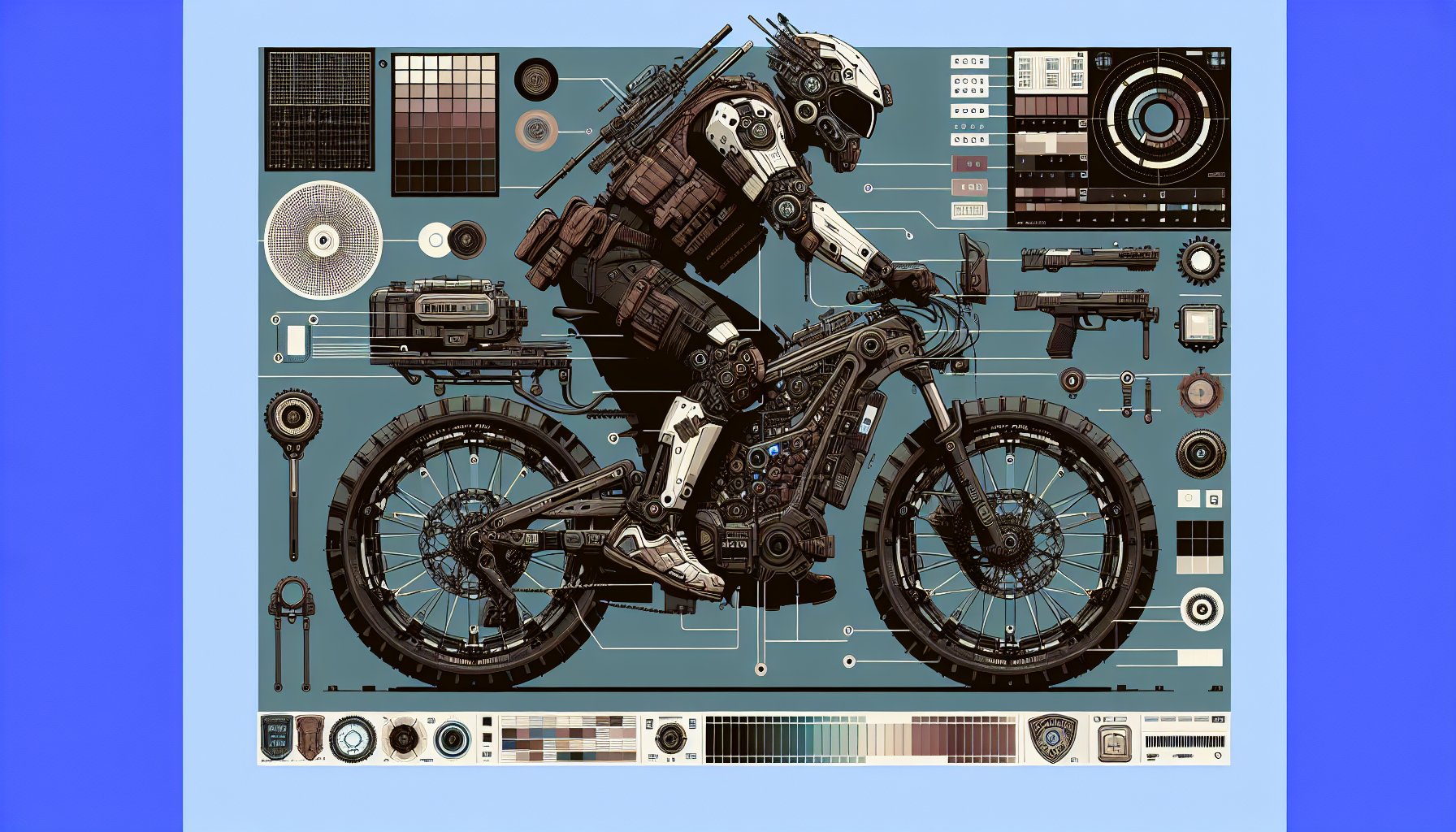
FAQs: What Gear Do I Need for Effective Patrol Bike Outfitting?
TLDR 📝
- Essentials: Durable nylon belts, level three security holsters, compact gear.
- Bike Choice: Robust, nimble, comfortable, think Volcanic Bikes.
- Safety First: Prioritize synthetic materials, reliable holsters, and lightweight tools.
- Visibility: Invest in quality lights and reflective gear for night patrols.
- Comfort: Ergonomic designs for saddles and handlebars are key.
- Tech: Hands-free communication, LED flashlights, and maintenance tools.
- Layered Approach: Pack gear smartly, think adaptability.
- Familiarization: Know your gear like the back of your hand.
- Preparedness Culture: Equip yourself physically and mentally.
1. Gear Up: Understanding the Essentials for Patrol Biking
In law enforcement, bike patrol units have rolled onto the scene as efficient allies of traditional methods. As the blue line cruises through urban landscapes and mingles with the community, the need for the right gear is paramount. This isn’t a leisurely ride; your gear must be durable, versatile, and ready for the unexpected.
Forget rosé-pink leather belts that bleed when you sweat. Opt for a high-quality nylon duty belt, which shrugs off rain like a superhero’s cape and keeps you sharp and focused on the mission. For those chase scenes through urban jungles, lightweight gear like collapsible batons and specialized flashlights keep you agile. Trust me, no one wants a flashlight more cumbersome than a cat stuck in a tree.
Communication gear is a lifeline. Hands-free radio equipment keeps your eyes scanning the scene and your hands steady on the handlebars. Think quality earpieces and microphones designed for fast-paced biking. When your gear fits, your readiness shows, and that builds trust within the community.
2. The Heartbeat of Your Ride
Think of your patrol bike as the heart of your operation, driving action and building connections. Picking the right ride means more than just wheels and a frame; it’s about embracing the vigor of urban policing. A bike from Volcanic Bikes, for example, offers puncture-resistant tires, responsive braking systems, and adaptable gear ratios. Picture yourself swerving through a community event crowd, easy with the right bike.
Comfort is king. Imagine cold drizzle seeping through your uniform on a winter night. A comfortable saddle, ergonomic handlebars, and quality suspension can make the difference between dread and duty.
Customizing these bikes with modular racks, lights, and communication devices transforms them from transport tools into community engagement machines. Let’s face it, your bike becomes a partner in fostering trust and safety.
3. Unpacking Safety: The Vital Armor for a Vigilant Patrol
In the law enforcement world, a bike isn’t just a pedal-powered vehicle, it’s your vigilant wingman. Outfitting it correctly with safety gear ensures you’re ready for anything. Think synthetic belts over leather to battle the unpredictability of patrol cycling. Trust me, you don’t want your belt looking like a soggy croissant after a storm.
Choose gear like high-quality level three security holsters that match your motor patrol setup. Muscle memory under stress? Priceless. Compact, lightweight tools like batons and flashlights minimize discomfort and maximize readiness.
Incorporating lightweight, hands-free radio equipment helps you stay connected without losing control. The right gear ensures you remain agile and prepared, whatever the beat throws at you.
4. Visibility Matters: Lights, Signals, and Reflective Gear
Visibility is your lifeline, it turns potential hazards into opportunities for engagement. As night falls or rain pours, proper lights and reflective gear scream, “Hey, I’m here to help!” Ensure your visual signals are as vibrant as your commitment to safety.
Invest in compact, mighty LED lights and high-visibility vests with reflective strips. These enhance your presence and authority, signaling to everyone that law and order are just a pedal away. Hand signals, lit up by your gear, become seamless extensions of your intentions.
5. Comfort on the Move: Ergonomics and Accessories for Bicycle Patrol Units
In bike patrol, comfort isn’t a luxury, it’s a mission-critical element. Long hours and varied terrains demand ergonomic designs. A well-constructed saddle and adjustable handlebars spell relief. The right gear keeps you focused on the task, not on your aching back.
Accessories like lightweight synthetic duty belts reduce fatigue and increase focus. Compact flashlights and familiar setup holsters maintain muscle memory, ensuring swift responses when seconds count.
6. Technology on Two Wheels
Biking today is a tech-savvy adventure. Modern gadgets like high-intensity LED flashlights and hands-free radio earpieces boost both safety and efficiency. While you’re cruising through a cityscape, these tools keep you engaged with the community and ready for action.
Tech expands the usefulness of patrol bikes, turning them into powerful community connectors. So, embrace tech for an unparalleled ride, it’s about more than just getting from A to B; it’s about enhancing the patrol experience.
7. Toolkits and Maintenance: Keeping Your Bike Ready for Action
Your bike is your buddy, treat it right. Regular maintenance on brakes, gears, and tires prevents hiccups that could have serious repercussions. A few good tools, like a multi-tool and portable tire inflator, keep you rolling when issues arise unexpectedly.
Outfitting your bike with weather-resistant lights and reflective gear elevates both safety and patrol effectiveness. A reliable bike is more than just a vehicle; it’s a symbol of your dedication to the community.
8. The Layered Approach: Packing the Right Gear for Every Scenario
In patrol cycling, the layered approach to gear packing is your secret weapon. It’s about being ready for everything. Start with essentials like synthetic belts and secure holsters. Compact and versatile tools like small flashlights and collapsible batons fit seamlessly into this strategy.
Each layer of gear is an investment in your capacity to serve effectively. Gear that adapts to different scenarios ensures you’re not just present but proactively engaging with your surroundings.
9. Training Wheels: The Importance of Gear Familiarization
Familiarity with gear transforms patrol bikes from mere transport into strategic assets. Knowing your gear inside out ensures you’re swift and assured in high-stress scenarios. Continuous learning and sharing experiences deepen your expertise and adaptability.
Handling your equipment regularly and practicing scenarios builds muscle memory. When your gear becomes an extension of yourself, your response becomes instinctive and unwavering.
10. Beyond the Bike: Creating a Culture of Preparedness
Outfitting is just the beginning. Cultivating a culture of preparedness ensures your team is resilient and ready. Regular training and scenario simulations build mental agility alongside physical readiness.
Stay updated with the latest gear and technologies, and maintain open communication within your team. Preparedness is more than a state of readiness; it’s a shared ethos that empowers every ride and enhances community trust.
Ultimately, patrol biking is about more than chasing perps. It’s about merging agility with strategy, community engagement with duty, and tech-savvy tools with age-old policing. Ride on, officer, and may your patrol be as effective as it is engaged. 🌟🚲